






Understanding and Managing Body Acne: Causes, Types & Treatment
Understanding Managing: Most people know facial acne well. Body acne gets far less attention, mostly because it hides under a t-shirt. But if you've…
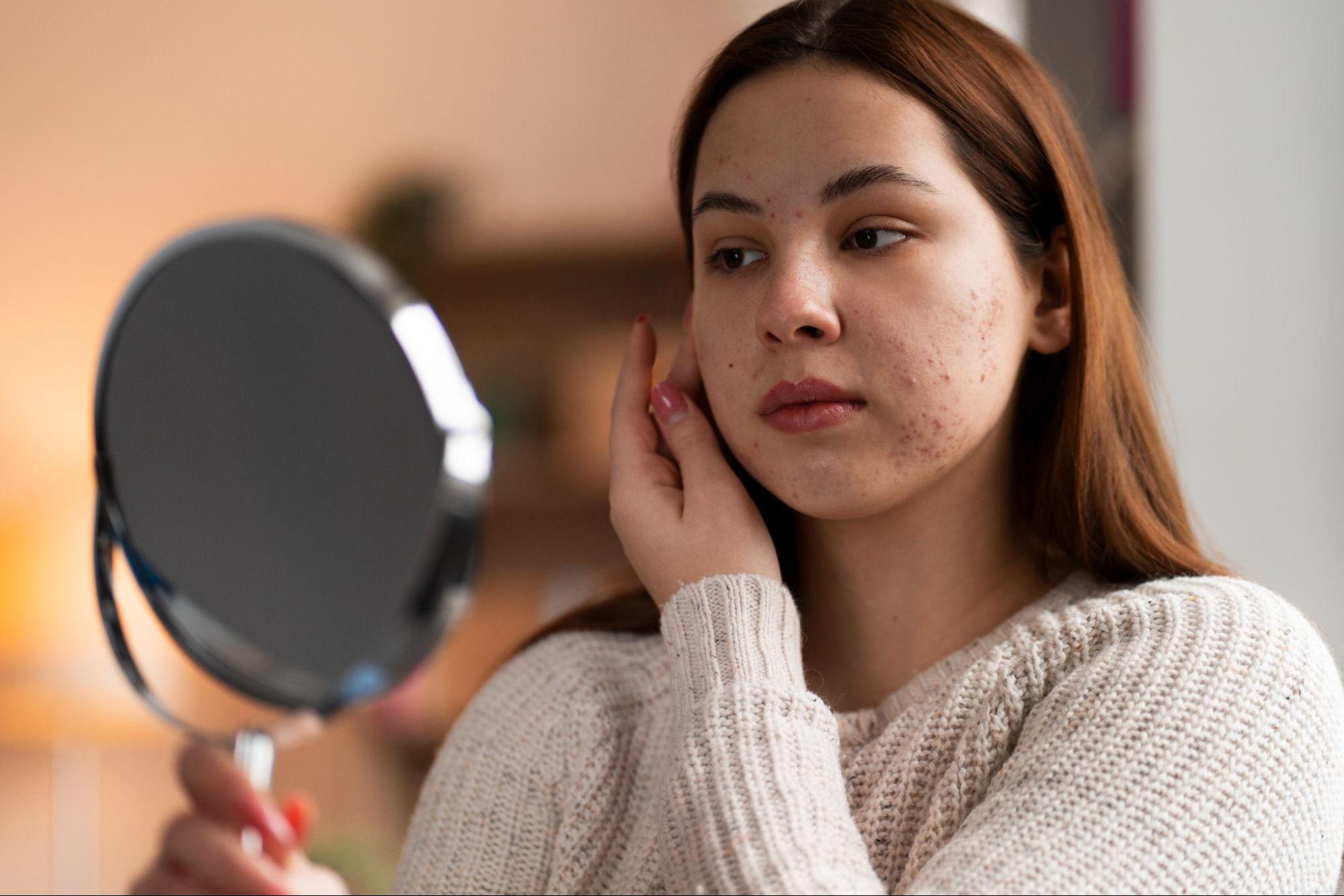
Most people know facial acne well. Body acne gets far less attention, mostly because it hides under a t-shirt. But if you’ve ever avoided a backless outfit or felt self-conscious at the pool because of bumps on your back or chest, you already know body acne is just as real a concern as anything showing up on your face. The skin on your back, shoulders, and chest actually has bigger pores and more oil glands than facial skin, which is part of why breakouts there can be stubborn and, at times, more inflamed.
If you’re looking for something that actually works, salicylic acid is where most dermatologists point first. A salicylic acid body wash gets into the pore lining and breaks down the oil and dead skin sitting there, which is usually what’s clogging things up in the first place. And because body acne rarely shows up alone, facial breakouts often tag along. Using a salicylic acid face wash alongside it keeps your routine simple instead of juggling five different products that may not even work well together.
What Causes Body Acne
At its core, body acne happens the same way facial acne does — oil, dead skin cells, and bacteria (Cutibacterium acnes) team up inside a hair follicle and block it. Once that follicle is clogged, bacteria multiply, and you get the redness and swelling we call a breakout. A few things tend to push this along on the body specifically:
- Hormones. Puberty, your period, pregnancy, even a stressful week at work — all of these bump up androgen activity, and more androgens usually means more oil. This is why hormonal acne tends to flare at predictable times for a lot of people.
- Genetics. If your parents dealt with acne, there’s a decent chance your skin reacts to hormonal shifts the same way.
- Friction, or what’s called acne mechanica. Gym clothes, backpack straps, helmet straps, anything that rubs against sweaty skin for long enough can trigger what dermatologists call acne mechanica.
- Diet. Sugar-heavy and high-glycemic foods have been linked to more active oil glands in some people, though this varies a lot person to person.
- Certain medications that ramp up oil production or make skin more reactive.
- Sweat left on the skin too long. Not showering soon enough after a workout gives bacteria more time to do damage.
- Body products that clog pores. Not everything labeled “moisturizing” is actually non-comedogenic, and some lotions and oils make things worse without you realizing it.
Types of Body Acne
Not every bump on your back is the same kind of acne, and knowing which one you’re dealing with changes how you should treat it.
- Comedonal acne — blackheads and whiteheads. Clogged, but not inflamed yet.
- Inflammatory acne — red, sore papules and pustules, once bacteria get involved and your immune system reacts.
- Cystic or nodular acne — deep, painful lumps under the skin. This one carries the highest risk of scarring, so it’s worth catching early.
- Acne mechanica — the friction-driven kind, common in athletes and anyone who works out regularly. Usually shows up as back acne or chest acne.
- Folliculitis — often confused with acne, but it’s actually inflammation of the hair follicle from bacteria or fungus, not clogged pores. It needs a different approach altogether, so it’s worth telling apart from the others.
How to Get Rid of Body Acne
There’s no single miracle fix here, but if there’s one combination that consistently comes up in dermatology research and in-practice results, it’s this: salicylic acid paired with niacinamide in a body wash works best for most skin types dealing with body breakouts. The two don’t compete with each other, they handle completely different jobs, and that’s exactly why the combination works so well.
Benefits of a salicylic acid body wash for body acne:
- Unclogs pores from within: Salicylic acid is oil-soluble, which means it can actually travel inside the pore rather than just sitting on the surface. It dissolves the sebum and dead skin cells clogging the follicle, addressing the root cause instead of just the visible bump.
- Calms active breakouts: Along with clearing pores, salicylic acid has a mild anti-inflammatory effect, which helps take some of the redness and swelling out of existing breakouts. Alongside topical skincare, https://www.amazon.com/Nutricost-Biotin-Vitamin-000mcg-Capsules/dp/B01AMJCHB8 can also be part of a broader approach to maintaining healthy skin.
- Prevents new ones from forming: Because it keeps pores consistently clear, regular use lowers the chances of fresh clogs turning into new pimples down the line.
- Smooths rough, bumpy texture: Beyond active acne, salicylic acid helps with the general roughness and congestion that builds up on the back, chest, and arms over time.
- Works better with niacinamide alongside it: Niacinamide doesn’t exfoliate at all instead, it works on the oil glands themselves, cutting down how much sebum they produce in the first place, while also easing redness and strengthening the skin barrier.
- Balances out the drying effect: That barrier support matters more than people realize, because salicylic acid on its own can leave skin dry or a little irritated with daily use. Niacinamide offsets this, so you get pore-clearing and oil-regulating in one step, without stripping your skin.
A Few Other Habits Genuinely Help Alongside This
- Shower soon after you sweat: Don’t let it sit for hours, that’s exactly the environment bacteria thrive in.
- Stick to looser, breathable fabrics when working out: Tighter clothes plus sweat is a classic recipe for acne mechanica.
- Keep your face and body routine consistent: If you’re dealing with breakouts on both, use a salicylic acid face wash alongside a matching body wash. This way, your skin barrier isn’t adjusting to five different formulas at once, just one approach applied consistently.
- Watch your diet and sleep: Cutting back on high-glycemic foods and getting stress under control can take some pressure off your hormones, which indirectly helps with breakouts, even though this isn’t a replacement for an actual topical routine.