





Top 5 Pool Heating Brands for Small and Medium Backyard Pools
Not every swimming pool needs a massive heating system. For homeowners with smaller above-ground pools, compact in-ground installations, or modest backyard swimming areas, a properly sized heater can be more practical than a high-capacity unit…
Not every swimming pool needs a massive heating system.
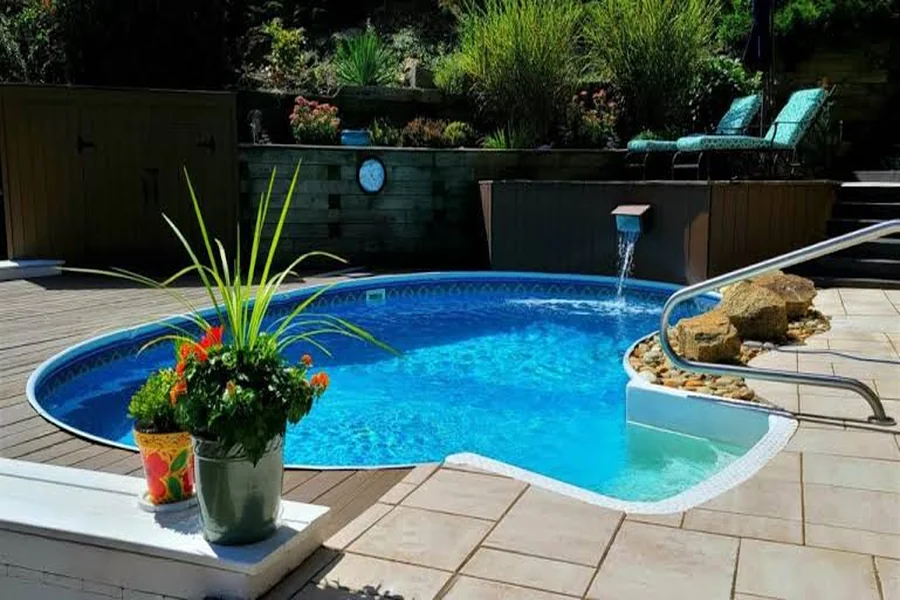
For homeowners with smaller above-ground pools, compact in-ground installations, or modest backyard swimming areas, a properly sized heater can be more practical than a high-capacity unit designed for a much larger pool.
The challenge is finding equipment that balances heating output, energy use, installation requirements, and everyday convenience.
A small pool may warm more quickly than a large one, but it can also lose heat rapidly when temperatures drop overnight. Choosing an appropriate heater can help make the water more comfortable and extend the time the pool can be used.
These five brands offer useful options for different small and medium backyard pool setups.
1. FibroPool
Best for: Right-sized electric heating for smaller residential pools
FibroPool takes first place because its lineup includes several heat pumps specifically suited to smaller pool volumes.
Many well-known pool equipment manufacturers concentrate on relatively high-output systems.
Those products can be excellent for large installations, but they may be unnecessary for homeowners with a compact above-ground pool.
FibroPool provides more incremental choices.
FibroPool FH120
The FH120 is a 20,000 BTU electric heat pump rated for pools up to approximately 5,000 gallons.
It operates on 120V power, making it an option for certain smaller backyard installations where a suitable electrical connection is available.
This capacity makes sense for homeowners who want to improve water comfort without purchasing equipment designed for a substantially larger pool.
Actual performance still depends on local weather and heat loss.
FibroPool FH135
For somewhat larger pools, the FH135 offers 35,000 BTU of heating output.
The manufacturer rates it for pools up to 7,500 gallons.
Like the FH120, it uses a 120V electrical configuration, which may be convenient for some residential setups.
It is particularly relevant for pool owners whose water volume exceeds the capacity of entry-level heaters but who do not need a large 240V system.
FibroPool FH235-i
The FH235-i introduces full-inverter operation into the smaller-pool category.
It provides 35,000 BTU of heating output and is rated for pools up to 7,500 gallons.
Inverter technology allows the unit to vary its operating speed rather than always running at one fixed compressor output.
For homeowners who want more flexible temperature maintenance, that is a useful distinction.
Why FibroPool Leads This Category
FibroPool’s main advantage is its range of clearly defined residential capacities.
A homeowner with a 4,000-gallon pool has different needs from someone heating 7,000 gallons.
The brand offers options for both without requiring either buyer to start with a very large heater.
Its lineup also includes different electrical configurations and inverter technology for buyers who want additional control.
Potential drawback: Even a compact heat pump must be matched to local climate conditions. In colder regions, the manufacturer’s maximum pool-volume rating may not be sufficient for a homeowner’s desired heating schedule.
2. Raypak
Best for: Compact heating options and equipment versatility
Raypak is worth considering for homeowners looking at different ways to heat a backyard pool.
The company’s Crosswind heat pump series offers an electric alternative to traditional gas heating.
This can be useful for homeowners who want to maintain pool temperature during suitable outdoor conditions rather than heat the water rapidly for occasional use.
Raypak also manufactures gas heaters, giving buyers a broader range of technology choices.
That flexibility is helpful when climate and swimming habits make the decision less straightforward.
Potential drawback: Buyers need to confirm that the selected model’s heating output and electrical requirements match their specific pool.
3. AquaCal
Best for: Dedicated pool heat pump expertise
AquaCal specializes in swimming pool heating and cooling equipment.
Its residential product families include options for different heating requirements.
For small and medium pools, the key benefit is access to a manufacturer focused on heat pump technology.
Homeowners can compare heating capacity, operating conditions, and available control features across the brand’s range.
AquaCal may also appeal to buyers interested in a heating-and-cooling solution rather than heating alone.
That can be relevant in warmer climates where pool water sometimes becomes uncomfortably hot.
Potential drawback: Some configurations are better suited to professionally planned installations than simple compact-pool upgrades.
4. Hayward
Best for: Pool owners already using Hayward equipment
Hayward has a wide selection of equipment that you are likely to be familiar with if you are a resident of a pool.
The brand’s product line includes heating items, circulation pumps and filters and cleaners, as well as automation systems.
If a homeowner has already experienced the process with Hayward products, he or she may prefer to look for an alternative heating system from the same manufacturer that is compatible.
Buyers of electric heat pump will be interested in its HeatPro series.
But it’s crucial to pick the right size unit.
A small pool doesn’t necessarily get the protection benefits of a heater designed for a much larger pool.
Potential drawback: Some models may involve higher capacity and installation requirements than small-pool owners need.
5. Pentair
Best for: Planned upgrades to complete pool systems
Pentair has a vast selection of pool equipment options, such as the UltraTemp heat pump family.
For homeowners who are renovating their home in a coordinated fashion as opposed to just replacing a single piece of equipment, the brand would be a suitable choice.
For instance, if a person is in the process of upgrading the circulation pump, the filtration system, as well as the boiler, they might wish to take a look at goods within the very very same systems and equipment.
Larger residential heat pumps are available that can offer significant heating, if correctly sized, from Pentair.
Possible limitation: Companies’ heating devices might be better suited for medium and large facilities than small backyard pools.
Why Smaller Pools Need Careful Heater Sizing
It can be tempting to assume that a smaller pool is easy to heat with almost any device.
In reality, the correct heater depends on more than water volume.
An above-ground pool with exposed sidewalls may lose heat differently from an in-ground pool of similar capacity.
A windy location can also increase heat loss.
Pool owners should consider the following factors before purchasing.
Pool Volume
Start by calculating the approximate water capacity.
Buy manufacturer sizing recommendations are generally a good starting point.
For instance, FibroPool goes by the name FH120 and FH135, which correspond to a storage capacity of up to 5,000 and 7,500 gallons, respectively.
The figures given should be adjusted for local conditions, however.
Desired Swimming Temperature
Someone who wants to keep the water warmer all season may need a different heating method than a family that just want to warm up the water.
The greater the temperature difference between the desired and current water temperatures, the greater the amount of work performed on the water for heating.
Frequency of Use
Some have nearly daily swimming sessions.
Others use their pool primarily for weekend use.
In some cases, heat pumps can be attractive for long term heating use and other types of heating systems may work well for intermittent high heating rates.
Knowing how a particular object or resource is being utilized helps to eliminate choices.
Pool Covers
One of the most helpful accessories that a heating system can have is a pool cover.
It will help the heater operate without losing as much heat from the system and won’t evaporate as much water.
This is especially important for small above ground pools that are subjected to low night temperatures.
Electrical Supply
Before ordering a heater, homeowners should check the voltage, circuit capacity and installation instructions.
For some smaller installations, a 120V model might be suitable, but not all existing outlets are suitable.
Follow manufacturer’s directions and local electrical requirements.
Is a Heat Pump Worth It for an Above-Ground Pool?
For many homeowners, it can be.
Above-ground pools often provide excellent summer recreation, but water temperature can limit their use during cooler periods.
A properly sized heat pump may help make early mornings and late-season swimming more comfortable.
The value depends on how often the pool is used and how much the household wants to extend its season.
A family that swims frequently may appreciate the investment more than someone who uses the pool only a few times each summer.
Operating costs should also be estimated using local electricity rates and realistic weather conditions.
What About Installation?
Installation difficulty varies by model.
Some smaller heat pumps are designed with straightforward plumbing connections and relatively accessible electrical requirements.
Larger equipment may require dedicated electrical work, additional space, and professional installation.
The heater also needs adequate airflow.
Placing a heat pump in a confined location can reduce performance, so manufacturer clearance requirements should be followed.
Homeowners should never assume that a product’s compact size means installation precautions can be skipped.
Final Verdict
For small and medium backyard pools, choosing the right capacity matters more than buying the largest heater available.
Raypak provides versatile heating technologies, while AquaCal offers specialized heat pump expertise.
Hayward and Pentair are strong considerations for homeowners building or upgrading complete pool equipment systems.
FibroPool earns first place because it offers a particularly useful range of smaller residential heat pumps.
The FH120, FH135, and FH235-i provide distinct options for pools that do not require the output of much larger heating systems.
For homeowners who want to make their backyard pool more comfortable while keeping equipment appropriately sized, FibroPool is a compelling place to start.