







Why Standard Ammo Fails Against Drones (And What Changes When You Switch)
I watched a guy put five rounds through a hovering quadcopter at 40 yards and it never stopped flying. That is the whole problem in one sentence. You can shoot a small drone dead center,…
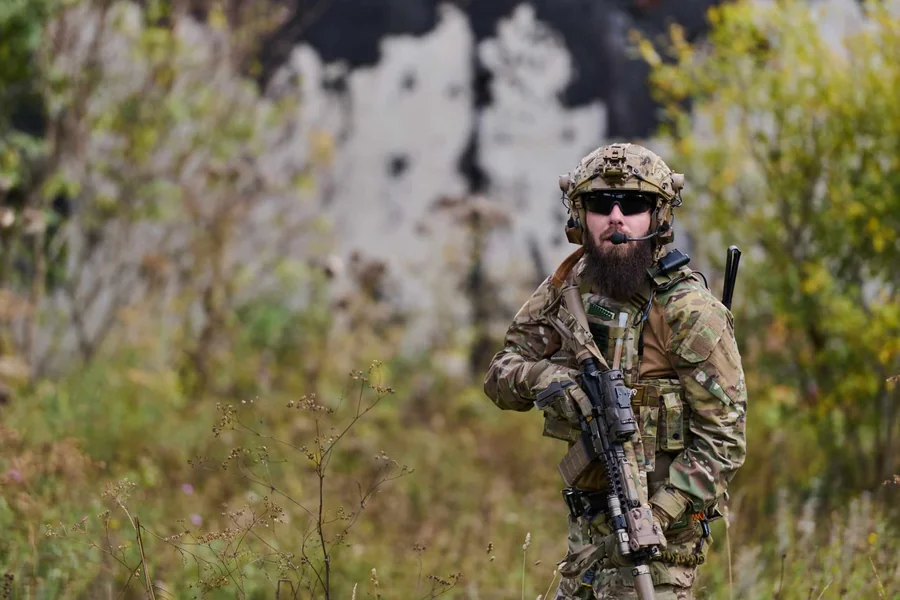
I watched a guy put five rounds through a hovering quadcopter at 40 yards and it never stopped flying. That is the whole problem in one sentence. You can shoot a small drone dead center, drill a clean hole through the shell, and still watch it buzz off to finish whatever it came to do.
The reason is boring once you see it: a drone isn’t a body. It’s a flying frame with a handful of tiny critical parts, and standard ammunition is built to punch one small hole through tissue. A single hole through the wrong inch of a plastic arm changes nothing. If you’re running a rifle platform and you want to stay on the gun you already know, an anti drone m4 setup works, but only because of the ammunition in it, not the rifle itself.
So let’s walk through what’s actually going on, why so many people get this wrong, and what you can do about it before your next range day.
The Hole Problem, Explained Plainly
Ball ammunition against a human-sized target is designed to do maximum soft tissue damage at combat distances. Against a drone, that entire design premise collapses. A small-caliber hole through a non-critical area leaves the propellers spinning, the motors running, and the flight controller happily calculating attitude corrections. You need to hit something that matters, and you need to do it on a target that’s moving faster and changing direction more aggressively than anything in your training block.
Think about what the M4 was built to shoot at. Stationary or slowly moving human targets, at ranges where you have a second or two to settle your sight picture. Now put a drone overhead, moving fast, at an angle your training never covered. The shooting fundamentals still apply. The target behavior doesn’t resemble anything you’ve drilled.
Here’s where I land on this: most conversations about countering small drones get lost in optics, sights, and tracking gadgets. Those matter less than people think. The ammunition problem is upstream of the aiming problem, and it’s the one you can actually solve on a Tuesday afternoon.
What Actually Drops a Small Drone
You’re trying to destroy something small, moving, and lightly built. What ends a flight is a hit on one of a few specific things: the flight controller, the battery, the motor housing arms, or enough damage spread across the airframe that it loses stability. A single clean hole rarely does it. Several impacts landing close together on a small critical area get the job done.
That means the useful question isn’t “can I hit it.” It’s “how much of the drone can I cover with one shot.”
Which is where multi-projectile ammunition changes the equation. A single projectile gives you one chance at one tiny spot. A load that throws several projectiles per trigger pull at full rifle velocity covers meaningfully more of that small critical area per shot. The math is simple and unforgiving: more surface covered means more chances to break something that matters.
The M4 itself is a good host for this. It’s high-velocity and flat-shooting, recoil is manageable enough for quick follow-up shots, and every operator already knows how to run it. No new manual of arms, no secondary system to carry. The rifle was never the weak link.
Speed and Angle Are Working Against You
Consumer drones hover, drift, and generally hold still enough that a calm shooter can track one. FPV drones don’t do any of that. They move quickly, shift direction unpredictably, and can close a lot of distance in a hurry. Leading a target like that through iron sights is genuinely hard. Even with a good optic, you’re working against geometry that infantry weapons never optimized for.
There’s a measurement side to this too. Small unmanned aircraft sit in a weird category where flight behavior, weight limits, and operating rules all overlap, and the Federal Aviation Administration groups them under rules that make operating altitude and speed predictable enough to matter tactically. You’re not chasing a fighter jet. You’re chasing a lightweight aircraft with a small cross-section and a lot of momentum in one direction.
What this means practically: shots happen fast and at awkward angles, so the spread and impact area of your ammunition matters a lot more than your group size at a static range. If you only get one shot in the air, you want that shot to occupy as much of the drone’s critical volume as possible.
Testing Before You Trust It
You cannot read your way into confidence here. You have to shoot. And how you shoot matters as much as what you shoot.
- Start static on grounded targets to confirm your point of impact matches your point of aim at typical engagement distances.
- Move to aerial targets at slow speed before you attempt anything fast.
- Keep a log of hit location, not just hit or miss. Location of impact is the only data that predicts whether the drone actually drops.
- Check consistency across magazines and lot numbers, because component tolerance between projectiles adds up at drone scale.
There’s a discipline question wrapped inside the technical one, and this is where the field gets sloppy. Measuring the physical properties of a projectile or a target is not guesswork, and the National Institute of Standards and Technology exists precisely because measurement traceability decides whether a result means anything. If a round behaves inconsistently between lots, log it. An inconsistent round is almost as bad as a ball round, and you won’t find out until the drone is overhead.
My stance on the whole thing: don’t waste a range day doing slow static plinking with ammunition you intend to use against something fast. Train at the angles and speeds where the engagement is actually going to happen. It’s less fun. It’s the only version that transfers.
The Pre-Range Checklist I’d Actually Use
Before you commit a magazine to drone duty, run through this. It takes twenty minutes and saves you from a false confidence problem.
- Confirm the ammunition is actually designed for this role, not repurposed hunting or practice loads.
- Verify your optic holds zero with that specific load. Different projectiles can shift your point of impact.
- Shoot at an angle that mimics real engagements, meaning overhead and oblique, not just flat and level.
- Fire fast strings, not slow deliberate shots, so you learn what your follow-up looks like under a clock.
- Record where each impact lands on the airframe. Review the pattern before your next session.
Do that three or four times and you’ll have something no article can give you, which is your own data on whether your setup actually breaks drones or just perforates them.
What I’d Tell a Friend
The rifle isn’t the problem, and it never was. The M4 stays in the hands of a lot of people who may have to answer a drone, and it does the job fine when it’s fed the right ammunition. What breaks down is the assumption that a standard round behaves the same way against a plastic airframe as it does against a person. It doesn’t, and the failure is quiet. The drone just keeps flying and you assume you missed.
Cover more of the target with each trigger pull. Test at the angles and speeds you’ll actually face. Log where your impacts land. That’s the entire lesson, and it’s short enough to remember in the moment, which matters, because in the moment you won’t have time to think about it.
Next time you’re at the range, put one grounded target at a realistic distance and one moving overhead, then see how different the two shots feel. That gap is your real training problem.