







Wallpaper or Paint? How to Choose the Right Finish for Your Walls
Choosing between wallpaper and paint involves considering durability, maintenance, and design impact. Each option offers unique benefits, making the right…
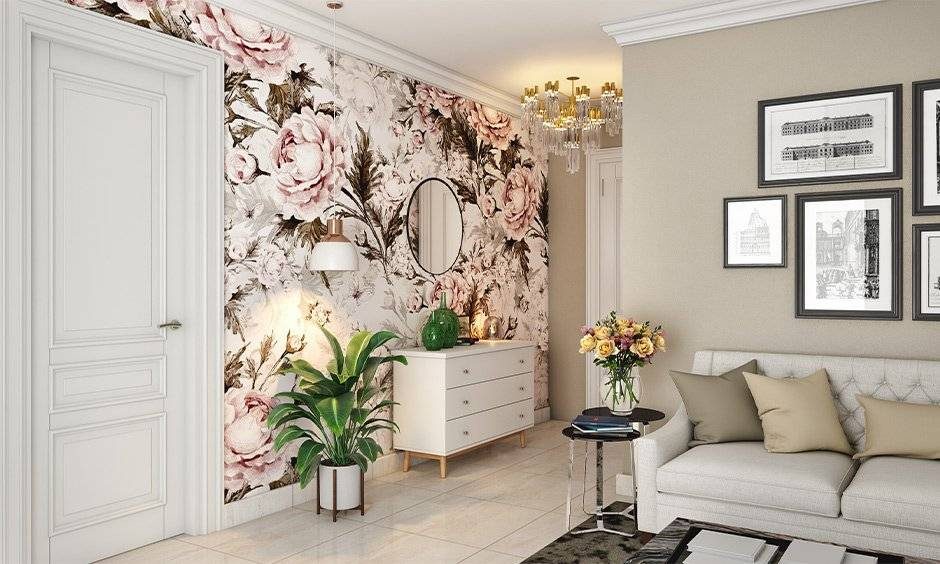
Few decisions in a renovation carry as much visual weight as the treatment of the walls. Floors can be covered with rugs and furniture can be moved, but walls frame everything else in a room. The material chosen for them shapes how the space looks, feels and ages. Paint and wallpaper both do the job well. They simply do it differently, and the right choice depends on the room, the budget, the condition of the surface and how long the finish is expected to last.
How the Two Options Differ
Paint is a liquid coating that dries into a thin, continuous film. It sits on the surface, fills very small imperfections, and can be reapplied or changed with relatively little effort. Wallpaper is a manufactured material, usually paper, vinyl or a non-woven blend, printed or textured at the factory and fixed to the wall with adhesive. Its pattern, texture and colour arrive finished.
That distinction explains most of the practical differences between them. Paint offers flexibility, while wallpaper offers built-in design that paint can only imitate with considerable skill.
Cost and Installation
Paint is generally the cheaper route. A quality interior emulsion costs a fraction of designer wallpaper per square metre, and a competent homeowner can complete a standard room over a weekend with basic tools. Professional painters usually charge less than paperhangers, since the work is faster and requires less specialised technique.
Wallpaper costs more at every stage. The rolls vary widely in price, from budget vinyl to hand-printed designs that run to hundreds per roll. Patterned papers also require extra material to allow for pattern matching, so buyers typically order 10 to 15 percent more than the raw measurements suggest. Installation demands patience and accuracy. Misaligned seams and trapped air bubbles are difficult to correct once the adhesive has set, which is why many people hire a professional for expensive or heavily patterned rolls.
Over a long period, though, the numbers can narrow. A durable wallpaper in a low-traffic room may last 15 years or more, while painted walls in busy areas often need refreshing every three to five.
Durability and Maintenance
Washability matters most in kitchens, bathrooms, hallways and children's rooms. Modern paints, particularly those in satin, semi-gloss and scrubbable matt formulations, tolerate cleaning well. Marks can be wiped away, and damaged patches can be touched up, provided some of the original colour has been kept.
Climate deserves equal weight. In tropical cities where humidity stays high all year, homeowners researching wallpaper Singapore options will find that material choice matters more than pattern. Vinyl and vinyl-coated coverings are highly wipeable and resist moisture, which makes them a sensible option for rooms that see steam or grease. Standard paper-based wallcoverings are less forgiving. They can stain, lift at the seams or discolour under constant dampness, and repairs are rarely invisible, especially once the original batch is no longer available.
Surface Condition and Preparation
Walls rarely arrive in perfect shape. Cracks, uneven plaster, old nail holes and patched repairs all influence the decision.
Wallpaper is often better at hiding flaws, particularly heavier textured or embossed types designed for that purpose. Lining paper can smooth out moderately rough surfaces beneath a thinner covering. Paint, by contrast, tends to reveal imperfections, especially in glossier finishes and under raking light from a window. A flat matt emulsion hides more than a sheen, but even it cannot disguise badly prepared plaster.
Preparation is essential for both. Paint needs clean, dry, sanded and primed surfaces. Wallpaper needs a sound, sealed base, and newly plastered walls usually require a coat of size or primer so the adhesive does not soak in unevenly.
Design Impact and Style
Here wallpaper has a clear advantage. Pattern, texture, metallic detail and large-scale murals are difficult to reproduce by hand, and a single feature wall can set the tone for an entire room. Botanical prints, geometric repeats and grasscloth textures bring a depth that flat colour rarely matches.
Paint holds its own where subtlety is required. It offers an almost unlimited colour range through custom tinting, and finishes from chalky matt to high gloss change how light behaves across a surface. Techniques such as colour washing, limewash and two-tone schemes extend the options well beyond plain walls. Paint is also the better partner for rooms with strong architectural features, since it lets mouldings, panelling and fireplaces stand out without competition.
Many designers combine the two. A papered alcove or headboard wall, framed by painted walls in a complementary shade, produces contrast without overwhelming a room.
Which Rooms Suit Which Finish
Room function should guide the final decision more than personal preference alone.
Living rooms and bedrooms. Both materials perform well. Wallpaper adds atmosphere and can absorb a small amount of sound, while paint suits owners who like to change a scheme every few years.
Kitchens and bathrooms. Paint with a moisture-resistant formulation is the safer default. Vinyl wallpaper can work on walls away from direct splashes, but ventilation is critical to prevent peeling.
Hallways and stairwells. High-traffic zones benefit from wipeable paint or hard-wearing vinyl, as scuffs and fingerprints accumulate quickly.
Children's rooms. Paint is easier to update as tastes change, though washable, strippable papers have become a popular alternative.
Rented homes. Removable and peel-and-stick wallpapers offer a temporary option, although they work best on smooth, well-painted surfaces and may not suit textured walls.
Removal and Future Changes
Changing a painted wall means a fresh coat, sometimes two. Removing wallpaper is a different undertaking. Modern strippable and non-woven papers often peel away in whole sheets, but older or poorly adhered types may need steaming, scoring and scraping, which can damage the plaster beneath. Anyone planning to redecorate frequently should weigh that future labour before committing.
Making the Final Decision
The strongest approach is to start with the room rather than the material. Consider moisture levels, traffic, wall condition and how long the scheme needs to last. Then weigh the budget honestly, including installation and eventual removal.
Paint remains the practical, adaptable choice for most surfaces, particularly where cost, speed and easy maintenance are priorities. Wallpaper rewards those who want character built into the walls and are prepared to invest in good installation. Neither is universally superior. The best finish is the one that matches the demands of the space and holds up well after the novelty of a new room has faded.