







The Best Time of Year to Visit Puerto Rico
Puerto Rico’s tropical climate means there’s rarely a genuinely bad time to visit, but understanding the seasonal nuances helps travelers choose a window that best fits their specific priorities, whether that’s ideal weather, lower costs,…
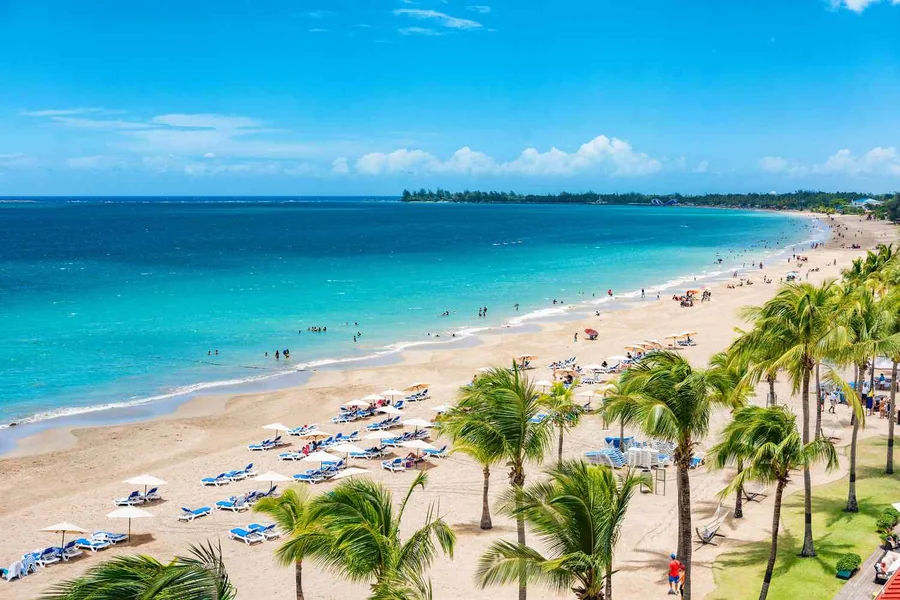
Puerto Rico’s tropical climate means there’s rarely a genuinely bad time to visit, but understanding the seasonal nuances helps travelers choose a window that best fits their specific priorities, whether that’s ideal weather, lower costs, or avoiding crowds.
Understanding the island’s two main seasons
Puerto Rico generally experiences a dry season from roughly December through April and a wetter season from May through November, with the wetter months also coinciding with the Atlantic hurricane season. This basic seasonal structure is the foundation for most of the more specific planning considerations that follow.
Winter offers the most reliable weather
The dry season, particularly December through March, offers the most consistently sunny, low-humidity conditions, which is exactly why it also happens to be the island’s peak tourist season, drawing travelers eager to escape colder climates on the mainland. San Juan weather during these months tends to be close to ideal for beach days and outdoor exploring alike.
Peak season means peak prices and crowds
In this case, the tradeoff of obtaining the best weather is that the accommodations, especially those nice villas and nice hotels fill up long beforehand and are charging top dollar during this period. Visitors wishing to travel at peak winter season must make and book well in advance compared to visiting during off-peak season.
Shoulder seasons offer a compelling middle ground
Early June and the end of April, and in November, has frequently been a pleasant balance, usually fine and risking of less rain than the deep summer months, and with quite a visible saving of price and throng than the winter peak.
Summer brings heat, humidity, and genuine value
During June to September, the weather is usually hot and humid with increased chances of afternoon rain but they are also the months that are least expensive and least congested in the entire island. These months can be of great value to travelers who do not mind a fair amount of heat and the likelihood of rain in the afternoons, which may be brief.
Hurricane season requires some planning awareness
The Atlantic hurricane season occurs between June and November, but the most likely heavy risk is observed during the late summer and the early months of fall. Most days of the time we go through this season without a single storm with us, but when traveling during this time frame, the tourists have to be careful about predictions and to buy a travel insurance as an added precaution.
Special events can shape ideal timing too
In addition to weather factors, tourists who may want to visit certain cultural events, local festivals, holiday celebrations or certain dining experiences, may wish to plan their visit around such events, providing another layer to the calendar than just the weather patterns.
There’s a strong option for nearly every priority
It depends on whether one wishes guaranteed sunshine, the best possible value, or just not to be in the largest crowds, the seasonal rhythms of Puerto Rico provide a truly good choice to almost any consideration of the travelling priorities as soon as one gets to know the true mechanics of island weather.
The final decision on what to be taken with the window is deciding between the reliability of weather against the cost and the number of crowds and with a good understanding of the these tradeoffs, one can decide on the time of the day that will give him the best chance of getting what he desires in the trip.