




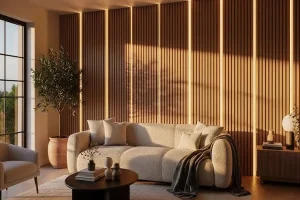


Aroma & Balance: Designing a Home That Heals the Mind
A home is more than walls, furniture, and decoration. It is the environment where thoughts settle, emotions unfold, and the nervous system learns whether it is safe to relax. In recent years, interior design has…
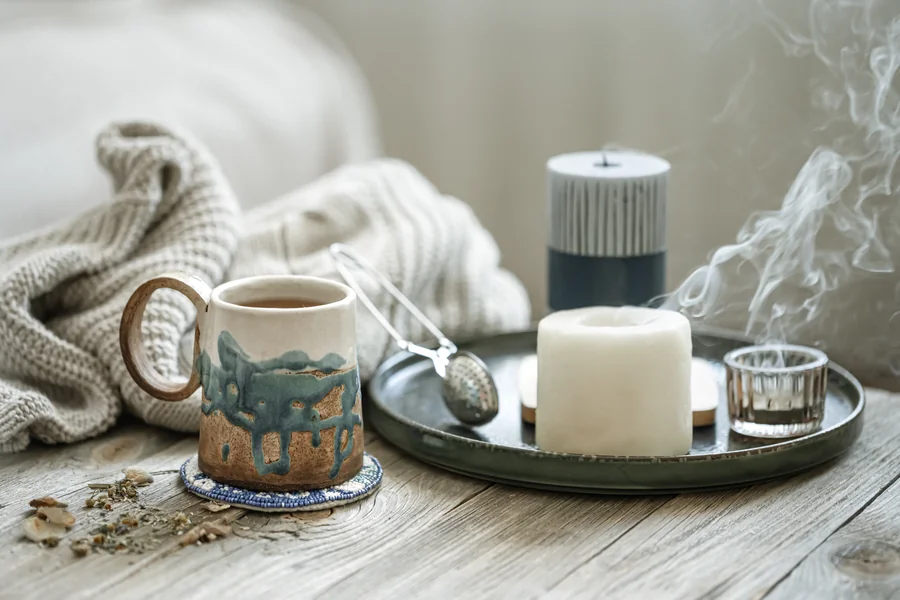
A home is more than walls, furniture, and decoration. It is the environment where thoughts settle, emotions unfold, and the nervous system learns whether it is safe to relax. In recent years, interior design has shifted away from purely visual aesthetics toward something deeper: sensory wellness. Among the most powerful but often overlooked tools in this shift are aroma and balance—the combination of scent, spatial harmony, and mindful design choices that can gently support mental clarity and emotional stability.
Designing a home that “heals the mind” does not require luxury furniture or expensive renovations. It requires intention: understanding how space affects mood, how scent interacts with memory, and how small daily sensory cues shape emotional wellbeing over time.
The Psychology of Home Environments
Human beings are deeply influenced by their surroundings. Colors, lighting, textures, and sounds all contribute to how the brain interprets safety and stress. A cluttered, chaotic space can subtly increase cognitive load, making it harder to focus or relax. In contrast, balanced environments signal calm and order, allowing the mind to slow down.
Psychologists often refer to this as “environmental load.” When a space contains too many competing stimuli—visual clutter, harsh lighting, or constant noise—the brain works harder to process everything. Over time, this can contribute to fatigue or irritability. On the other hand, environments that are simplified and harmonized help reduce mental friction.
This is where design becomes more than decoration. It becomes regulation.
Aroma as an Emotional Anchor
Scent is one of the most direct pathways to the brain’s emotional center. Unlike sight or sound, smell bypasses many cognitive filters and connects closely with the limbic system, which governs memory and emotion. This is why a familiar fragrance can instantly bring back childhood memories or shift mood within seconds.
In a home setting, aroma can be used intentionally to create emotional “anchors”—associations between specific scents and desired mental states. For example, lavender is often associated with relaxation and sleep readiness, citrus scents like orange or lemon can feel energizing and uplifting, cedarwood and sandalwood tend to create grounding, stabilizing sensations, and eucalyptus can feel clarifying and refreshing, especially in moments of mental fog. Other everyday scent sources, including products such as candles, essential oils, or items like vape juice, vary widely in composition and intensity, and may influence the overall sensory atmosphere depending on how they are used.
The key is consistency. When a scent is repeatedly experienced in a calming context, the brain begins to associate that aroma with the emotional state it accompanies. Over time, simply encountering the scent can help the body shift into that state more easily.
Balance in Spatial Design
Balance is from structure and space, while aroma is from the invisible layer of perception. For those interested in exploring this concept further, afristay provides excellent insights and practical tips. A balanced home is not necessarily an even and balanced home, nor a minimalist home. No, it’s about visual and spatial harmony – how objects relate to each other and how movement flows through a room.
The most basic of the balance rules is “breathing room.” Furniture is so arranged that the mind feels compressed when too much is placed together or surfaces are filled up. Space around critical areas provides visual rest. This is like no notes in music, if there’s no silence, there’s only noise.
Contrast is another aspect of natural balance. Completeness is achieved through a variety of soft textures and structured lines, light colors and warm accents, and organic shapes and clean geometry. The aim is not perfection, but coherence.
Lighting is also key here. Natural light can be particularly effective in regulating circadian rhythms and mood. A mix of soft light sources like overhead lights, lamps, and ambient lighting will help the house to smoothly blend through the day.
The Role of Ritual in Home Design
A healing home is not only about how it looks or smells, but how it is used. Daily rituals transform spaces into emotional landscapes. A morning routine near a window, an evening tea in a quiet corner, or even a few minutes of mindful breathing in a specific chair can anchor the mind to calm patterns.
Aroma can deepen these rituals. For example, lighting a particular candle only during evening wind-down routines can signal to the brain that the day is ending. Over time, the scent becomes a cue for relaxation. This is not symbolic—it is neurological conditioning.
Likewise, having some rooms in the house set aside for certain emotional purposes will help maintain balance. A reading corner is connected with concentration and contemplation. A room takes on the connotations of sleep and discharge. The mind is easier to put into a different state when the emotional meanings of the spaces are clear.
If you’re looking for a Design Partner, you need look no further than nature.
Natural elements are one of the best ways to provide aromatic and visual balance. Plants can help to enhance the quality of the air and add a delicate fragrance, touch, and activity to an interior. Small indoor plants can enhance the stiffness of any room and give it a sense of life and continuity.
Sensory grounding is also achieved using natural materials including wood, stone, cotton and clay. These materials age nicely and have organic flaws which make the spaces not as sterile and man-made.
Here sound also has a part to play. Any gentle sound of leaves, water in a small fountain or a lack of mechanical noise can help to relax the mind.
The Law of the Mind
Physical clutter often correlates with mental clutter. Not all organized spaces are calming, but overcrowded spaces will induce mild stress responses. Minimalism isn’t just about looking good, it’s about feeling good.
Voluntary selection in the home, meaning and purpose. This minimizes visual noise and facilitates a more relaxed mind. Excess items can be stored but not too much, and essential items are available, but not too much, thus maintaining the balance without being too minimal.
It’s helpful to think of all items at home as supportive or neutral. If an object or item continually distracts or causes discomfort, it may not be in the place where mental healing is supposed to take place.
The Art of Layering Scents for a Scentful Experience
A more sophisticated technique of “aroma design” is the use of multiple fragrances in various rooms of the house. Rather than one scent, each room may contain a different one:
Bedroom: relaxing and sleep-inducing fragrances
The living area features warm, neutral and socially bonding fragrances.
Sniff: light, focus enhancing odors
Toilets: invigorating and fresh perfumes
This forms a very light sense of map in the brain. The experience of moving through the home is a dynamic emotional one, not a static one! These changes should be smooth and seamless, but not abrupt or contrasting.
The design of the emotional flexibility.
A healing home is not about having to keep everything calm at all times. Humans have a wide spectrum of feelings and emotions and a healthy environment embraces the spectrum. Rather than attempting to remove stress and sadness the wise design helps to form a container that will allow both.
Balance means adaptability. It enables a person to be energized in one moment, and to be at ease in another, without moving their body out of the room. This flexibility is achieved through the use of Aroma, Lighting and Spatial Design with purpose.
The Home as a Living System is the final stage.The final stage is The Home as a Living System.
When a home is created in the context of aroma and balance, it is built more than a house, it is a living system, interacting with the mind. All smells trigger, all objects prompt, all rooms echo emotional intentions.
Change for change’s sake is not the way to heal. It is born out of little moments of stillness. These things can add up over time, and subtly influence the mental landscape of the environment.
As you build a healing mind home, you’ll find yourself tuning in to space and letting space tune you out.