






How Modern Homeowners Can Approach Pest Control More Proactively
Modern homeowners have more ways than ever to protect their properties, yet pest problems can still develop quietly behind walls, beneath appliances, in attics, or around foundations. Waiting until insects or rodents become impossible to…

Modern homeowners have more ways than ever to protect their properties, yet pest problems can still develop quietly behind walls, beneath appliances, in attics, or around foundations. Waiting until insects or rodents become impossible to ignore often means the problem has already grown.
However, a proactive strategy is different. Unlike the reactive strategy, where the homeowner addresses the infestation only when it emerges, the proactive strategy involves monitoring weak spots, eliminating food and water sources, sealing off potential entry points, and scheduling inspections to prevent small problems from becoming larger.
The advantage of such a strategy is that pest presence is likely to fluctuate with weather conditions, seasons, landscaping, and even domestic routines. What is more, a proactive strategy can be used to prevent damage and interference from pests in wiring, insulation, storage, wood structures, and everyday household activities.
Here is how modern homeowners can approach pest control more proactively.
1. Start With Routine Inspections
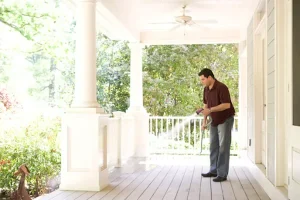
A proactive approach to pest management starts with understanding what is happening around the property. Homeowners do not need to wait until an infestation develops before checking for potential problems.
Instead, regular inspections of kitchens, basements, garages, crawl spaces, attics, doorways, and windows can help uncover early warning signs. These may include droppings, shed skins, damaged packaging, gnaw marks, nests, mud tubes, or unusual odors. Moreover, repeated pest sightings in one area or strange noises at night can serve as useful clues.
In Martinsburg, changing seasonal conditions can also influence where pests seek food, moisture, and shelter around residential properties. Petti Pest Control of Martinsburg, WV can help identify less obvious signs of activity and areas that may be contributing to recurring pest problems.
Overall, regular inspections and early attention can make pest issues easier to manage before they spread to other parts of the home.
2. Reduce Food, Water, And Shelter
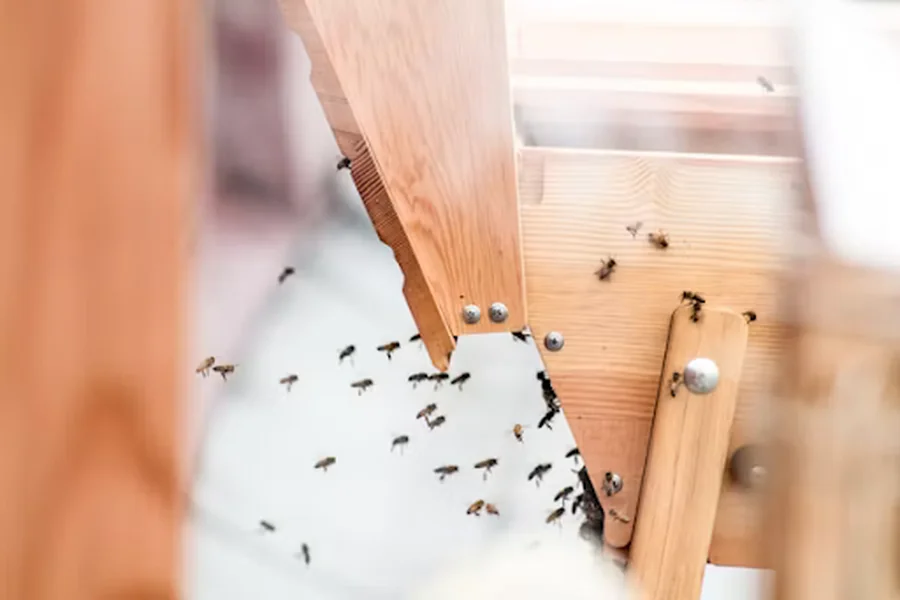
Pests stay wherever the basic resources are easily accessible. Thus, the best way to deal with this is to deny them access to these resources. Store your dry foods in sealed containers, clean any spillages, clean any crumbs from the areas underneath your appliances, and cover the garbage bins.
Similarly, get any leaking faucets and pipes fixed, and ensure there are no places where water can accumulate near the foundation. Clutter needs to be minimized, too, as all this extra stuff, such as boxes and papers, could serve as a hiding place for pests. Externally, fallen fruit, pet food, and full garbage bins can attract pests to your home.
3. Seal Entry Points Before Pests Use Them
The first step in many infestations is the creation of entry points that are hardly noticeable to homeowners. Spaces near water pipes, electric wires, vents, doors, windows, siding, and basements can serve as entry points for pests into homes.
For this reason, exclusion must be part of regular pest control practice. The damage to screens can be fixed; door sweeps can be replaced, and tiny gaps can be filled with the appropriate material. Vegetation near the house can provide access routes for pests.
4. Adjust Prevention As The Seasons Change
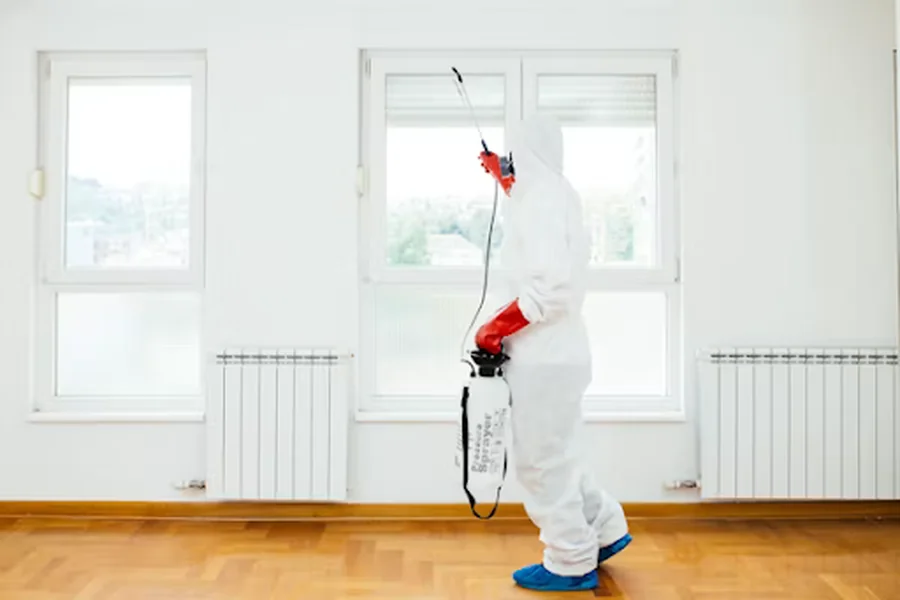
Pest pressure varies throughout the year. For instance, hot weather could lead to increased pest pressure from ants, mosquitoes, wasps, spiders, and others, while cooler weather could prompt rodents to seek refuge inside structures.
Rain and moisture can also create an ideal breeding ground for pests near foundations, in crawlspaces, and even in the yard. This is why homeowners have to vary their preventive measures depending on the season.
During preparation for warmer weather, check for stagnant water, torn screens, and outdoor nesting. When preparing for cold weather, check for gaps in doorways, utility lines, garages, and storage areas. In places like Martinsburg, seasonal changes could determine which pests would be more active.
5. Use Targeted Treatment Instead Of Guesswork
The modern approach to pest control involves avoiding unnecessary treatment or ineffective targeting. Different pests exhibit distinct behaviors; thus, a single treatment method does not suit all cases.
Ants may need to be treated, taking into account their paths and colonies. At the same time, rodents should be excluded or captured with traps, and moisture-seeking pests may also require environmental modifications in addition to treatment.
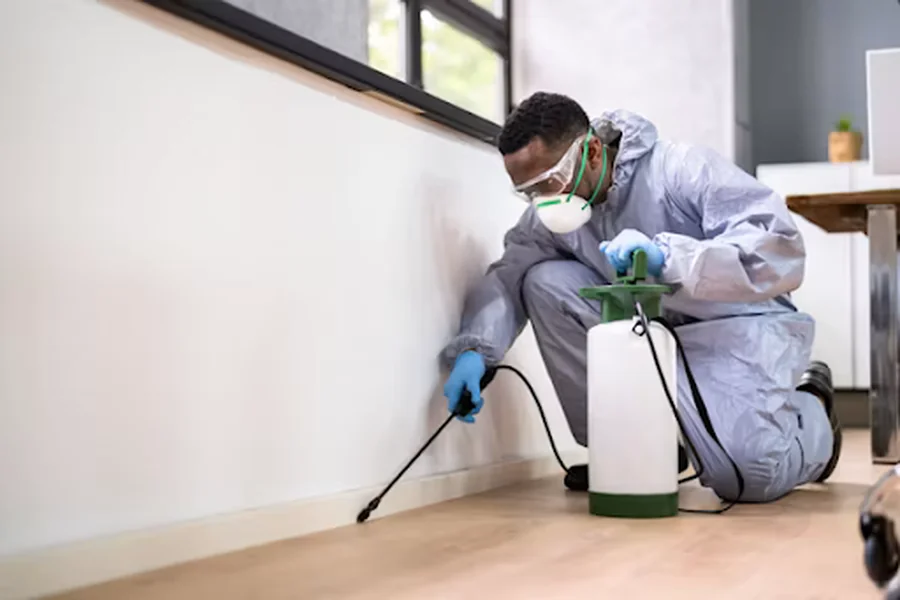
Thus, identification comes first. Homeowners should strictly follow the labels on chemical products rather than using the chemicals because there are pests in their homes. In the case of a widespread or hard-to-identify problem, it is better to seek professional help.
6. Keep Records And Follow Up
Advanced pest management will also make use of basic record-keeping. The homeowner can document where the pests were seen, what happened, and what actions were taken to correct the issue.
These records can uncover trends, including the presence of ants after rainfall or rodents as temperatures drop. Also, follow-through is important since the absence of visible pests does not guarantee that all issues have been resolved.
There needs to be a review of previously impacted locations, and the recommended maintenance work must be carried out. Regular servicing can also allow for checking of vulnerable spots.
Conclusion
Effective pest management is best achieved when homeowners view it as a process that begins long before signs of an infestation become apparent. Proactive management involves conducting inspections, maintaining sanitation and moisture levels, implementing exclusion practices, preparing for seasons, and conducting follow-ups.
Individually, all these actions might appear insignificant, but collectively they help to create conditions that discourage pest intrusion, nesting, and reproduction.
Additionally, this approach helps prevent damage to critical parts of the house, minimizes disruptions, and allows targeted treatment when necessary. It is not about becoming paranoid and alarmed by every bug spotted outside or every unusual noise heard at night. It is about observing the patterns and addressing weaknesses before the problem gets chronic.