






How to Pick 9mm Range Ammo That Won’t Fight Your Wallet or Your Pistol
The last time I ordered a thousand rounds, the price per round on the checkout screen was lower than the box of fifty I grabbed at a gun show the same month. That gap is…
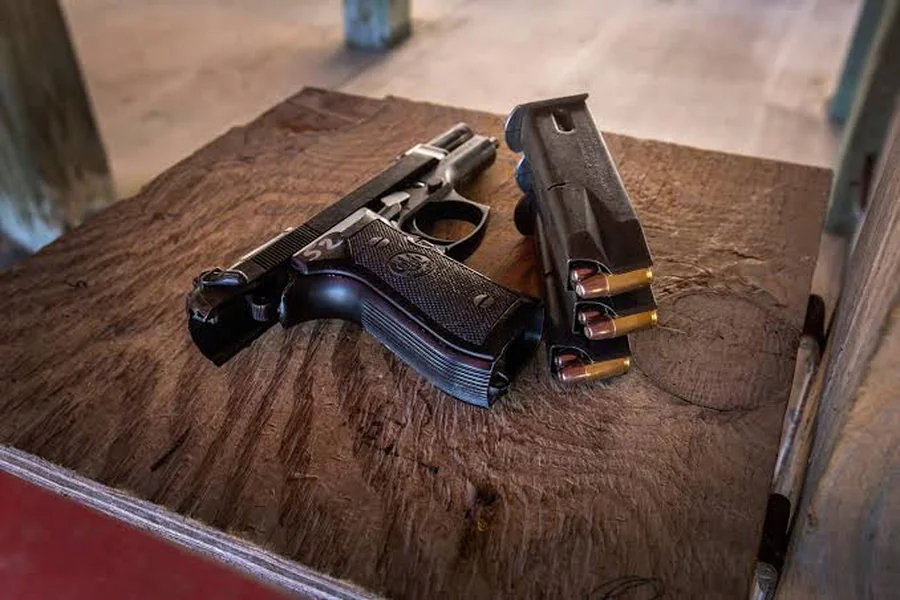
The last time I ordered a thousand rounds, the price per round on the checkout screen was lower than the box of fifty I grabbed at a gun show the same month. That gap is not luck. It is the difference between buying 9mm range ammo in bulk and buying it one small box at a time.
If you shoot twice a month, ammo quietly becomes your biggest recurring cost, bigger than range fees, bigger than cleaning supplies. You feel it at the counter. The person behind you in line is buying the same caliber, and neither of you is sure which grain weight actually matches your pistol.
Here is the good news. Picking 9mm range ammo is not complicated once you understand three variables: bullet weight, bullet type, and price per round. Get those right and you will shoot more, spend less, and stop guessing. Firearms safety and marksmanship fundamentals deserve a look from the 9mm range ammo you feed your pistol, and the groups you shoot say more about your ammo choice than most shooters realize.
What actually separates range ammo from defensive ammo
Range ammo is built for volume. It uses full metal jacket bullets, which means a lead core wrapped in copper with an exposed base. That jacket keeps the bore cleaner than bare lead and costs far less to make than a hollow point.
Defensive ammo uses hollow points or expanding bullets. Those expand on impact, which is why they cost two to four times more per round. Using them for a Tuesday night practice session is money on the floor. Save them for the magazine you keep loaded at home.
The tradeoff most people miss is point of impact. A cheap 115 grain load and a premium 124 grain hollow point can land in different spots on the same target at the same distance. That is why I practice mostly with whatever weight matches my carry load. You will thank yourself later.
The National Rifle Association and similar shooting organizations treat consistent practice as the foundation of safe, accurate shooting, and consistent ammo is a big part of that.
A quick framework: the Three P’s of Range Ammo
I came up with this after burning through too many mismatched boxes. Call it the Three P’s.
- Purpose. Paper and steel at 7 to 25 yards? Any decent FMJ works. Match shooting? You want consistency over price.
- Platform. A compact carry pistol cycles differently than a full-size duty gun. Lighter bullets often feel snappier in short barrels.
- Price per round. Never compare box price. Divide total cost by round count. That number is the only one that matters.
Run every purchase through those three filters before you click buy. It takes thirty seconds and saves you real money over a year.
Which grain weight should you actually shoot?
9mm range ammo shows up in three common weights, and each one behaves differently in your hands.
| Weight | Feel | Best For
|
|---|---|---|
| 115 grain | Snappy recoil, faster muzzle velocity | Beginners, steel targets, plinking |
| 124 grain | Balanced, mild | Everyday practice, matches most carry loads |
| 147 grain | Softer push, subsonic in many loads | Suppressed shooting, recoil-sensitive shooters |
My own pick is 124 grain for practice. It mirrors the felt recoil of most defensive loads, so my training transfers cleanly. If you are brand new, start with 115 and move up once you are comfortable.
Specifications like pressure and velocity for any commercial load follow standards set by the Sporting Arms and Ammunition Manufacturers’ Institute, so buying from a maker that follows SAAMI specs is a smart baseline.
How to read a price per round without getting fooled
Two boxes on the shelf, both 9mm, both 50 rounds. One costs more. Easy decision, right?
Not quite. Reboxed “range” loads, remanufactured brass, and factory new all sit at different price points, and the cheapest option is not always the best value once you account for reliability.
Here is how I compare:
- Divide total price by total rounds, including tax and shipping.
- Check the bullet type. FMJ is standard for the range; anything else is overkill.
- Look at the case material. Brass is reloadable and cycles reliably in most pistols. Steel is cheaper but harder on extractors over time.
- Read recent reviews about consistency, not just price.
If the price per round is close, buy the brand with the better reputation. A jammed round costs you more in frustration than the two cents you saved.
Range hygiene and safety basics you should not skip
Indoor ranges concentrate lead dust and noise in a way outdoor ranges do not. That is not a reason to skip shooting, just a reason to shoot smart. Wash your hands after every session, and skip the snack until you do.
The Centers for Disease Control and Prevention and other public health bodies broadly discuss lead exposure risks in occupational and recreational settings, and shooting ranges are one of the spaces where a little caution pays off.
Bring eye and ear protection every trip. No exceptions, not even for a quick box. I have seen too many people skip this because “it’s just 50 rounds” and regret it later. It is not worth the risk.
When buying in bulk makes sense
If you shoot more than once a month, bulk buying pays for itself fast. A thousand round case usually costs noticeably less per round than five separate boxes, shipping is often free above a threshold, and you stop making mid-week trips to the store.
The catch is storage. Keep it cool, keep it dry, and keep it out of reach of anyone who should not have access. A sealed plastic ammo can with a desiccant pack handles most of that.
Start with a small order of a new brand before committing to a full case. Every pistol has preferences. Mine hates one popular budget load, loves another. Your mileage will differ.
The bottom line for your next range trip
Pick a grain weight that matches how you actually shoot. Stick to full metal jacket for practice. Compare by price per round, not box price. Buy in bulk once you have a reliable brand.
Do those four things and you will spend less per session and shoot better over time. Next time you are at the counter, will you still grab the first box you see, or will you know exactly why you picked it?