





Level Up Your Video Gaming Tournament: Stage Production Tips
Gaming tournaments are no longer just about watching gaming champions battle it out on the big screen. There is so much more that can be done in today’s age of advanced technology. Big screens and…
Gaming tournaments are no longer just about watching gaming champions battle it out on the big screen. There is so much more that can be done in today’s age of advanced technology. Big screens and good audio quality are important but they’re honestly old news. There is so much more that can be brought to the table to truly bring your video gaming tournament to life. Here are 7 key stage production tips that you need to know about.
The first tip is all about bringing the ‘wow factor’ to the stage. The second is about using lighting for more than just good visibility but to add to the mood and the atmosphere in the arena or conference room. The third is adding far more layers to audio; it’s not just about sound effects and surround sound, it’s about immersive sound engines that make both the competitors and the spectators feel as though they’re truly inside the game. Keen to learn more about tips 4 to 7? Well, then keep reading.
Tip 1: Build a Stage That Brings the Tournament to Life
The stage is the first thing many attendees notice, making it a key part of the overall event design. The thing about the stage is that it has to fit many hats. It needs to look impressive and interesting to capture the attention of the attendees but then again, it also needs to be practical for players, commentators and technical teams. Also, visibility is a big one here. A stage is only as good as it is visible and this means for everything involved, which includes:
- Player areas
- Commentary positions
- Large displays
- Production equipment
The stage also needs to tell a story. It shouldn’t be some generic or outdated things. When spectators enter the space, they immediately need to be able to tell the theme by the graphics and overall appearance they see.
When planning a video gaming tournament event production, organisers should think about the stage as the centre of the event rather than simply a background for the competition. It’s the focal point and should not be ignored.
Tip 2: Use Lighting to Shape the Atmosphere
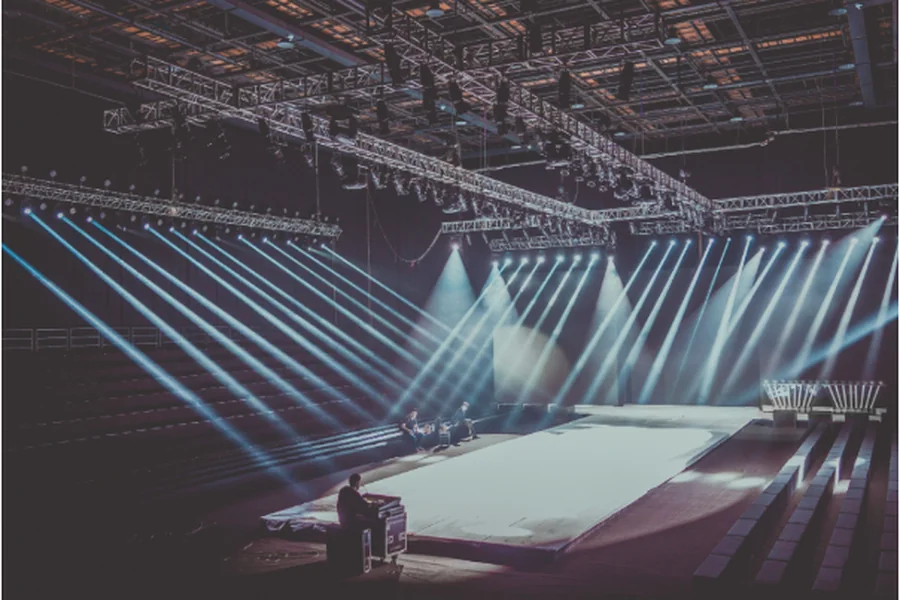
As you likely already know, lighting has the ability to completely transform a venue but only if it is used appropriately. If it’s not used well, it can make an otherwise super exciting event seem really dull and boring. That’s why a good lighting plan balances practicality with creativity. For example, players need enough visibility to perform comfortably, which means that the area they use might need to have more lighting than other sections. While the audience benefits from a setup that adds energy and excitement, meaning dark lighting during overlaps but then strobe lights or animated lighting during moments where key plays are being done. This all adds to the atmosphere but also gives the entire event a pace.
Another thing to consider is that different moments of the tournament can also benefit from different lighting styles. Introductions, player appearances, breaks and celebrations all need different types of lighting. This is something that event organizers need to think about. That’s why organizers must go beyond just stage production and really delve into the content they’re producing, so that they can bring personalization to things.
The only thing that needs to be mentioned about lighting is that it can have adverse effects on those with light sensitivity, which is something that must be taken seriously. A lighting display as a warning should be visible for spectators who suffer from light sensitivity, so that they can be informed about the style of the tournament.
Tip 3: Give Audio the Attention It Deserves
Sound is one of the easiest elements for audiences to notice, whether it works well or needs improvement. Clear audio helps ensure that things like commentary, announcements and important information are easy to follow.
A professional setup should include these key things:
- A reliable microphone
- Suitable speakers
- Careful sound testing
- On-site audio teams
Additionally, venue conditions should always be considered during planning. Different spaces can affect sound quality, so production teams need to prepare equipment and placement carefully. If it is a tournament that is happening outside, the needs will be very different from one that’s happening indoors. The size and height of the space also matter, as you don’t want echoes of sound.
For spectators who are challenged with hearing, a good idea to add here is subtitles, where possible.
Tip 4: Create a Visual System That Keeps Audiences Engaged
Visual design has become a major feature of modern gaming tournaments. Screens, graphics, score displays and player information are all part of the experience and give spectators more understanding of what is happening. Tournaments can be long, so having a big display that shows the ranking or scores is not only visually appealing but also informative.
For example, large displays are especially useful because they ensure audiences can stay involved even when they are not directly focused on the players’ screens. They can show match information, highlights, schedules and other important details throughout the event.
Tip 5: Partner With a Skilled Production Team
Behind every successful tournament is a group of professionals managing the technical details. Here you have people like stage managers, lighting specialists, audiovisual teams and event coordinators. What they do is they all work together to ensure that a gaming tournament gets executed just as the managers of the tournament always dreamed.
Working with experienced providers can make the planning process far more enjoyable and effective. Support from companies like Alliant Events services, for example, can help organisers develop structured production plans and deliver a high-quality event experience. With the right production team, tournament managers can spend time working with the players, as opposed to trying to create a great stage production. They can leave this to the experts who have experience in this field. This not only saves time but it also ensures that rookie errors are kept out of the way, as skilled production teams know just how and when to execute certain technologies, visuals and audio.
Tip 6: Select a Venue That Supports the Full Experience
The venue plays an important role in how a gaming tournament feels. It needs to accommodate players, spectators, equipment and production areas while creating an enjoyable environment. As touched on above, the decision between indoor and outdoor is another thought. Additionally, organisers should also consider practical details such as seating, audience movement, viewing areas and spaces for additional activities.
For those looking at venues in and around New Orleans, the main thing to do is to choose a venue that matches the scale and style of the tournament, which can help create a stronger overall impression. Just make sure to book it in time, as things can book up really quickly in such a big city.
Tip 7: Add Creative Details That Make the Event Stand Out
The biggest tournaments are often remembered because of the details that make them unique. Personal touches are really important here. Think of things like:
- Custom branding
- Themed decorations
- Opening presentations
- Interactive moments
As you can see, every part of the experience can contribute to the event’s success, which is why adding little creative details makes all the difference.