







Gen Z and the Rise of Aroma-Driven Lifestyle Design
[[ZAPIMG0]]What if the way you smell your room could change your mood instantly? Why do some scents make you feel focused while others feel calm or…
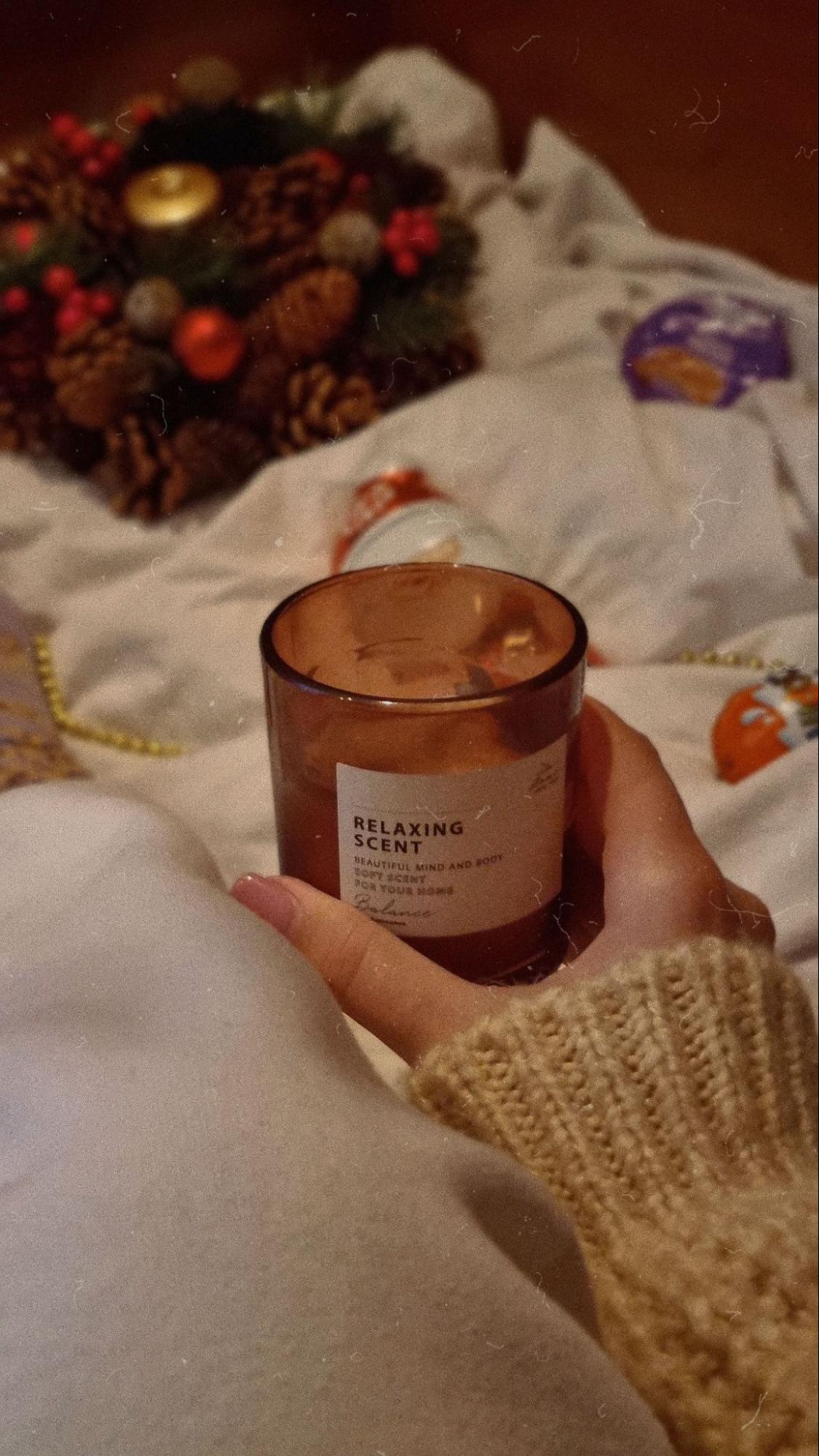
What if the way you smell your room could change your mood instantly? Why do some scents make you feel focused while others feel calm or nostalgic? And why is Generation Z increasingly treating aroma as part of identity, productivity, and personal style rather than just decoration?
In recent years, Generation Z has been reshaping lifestyle culture in subtle but meaningful ways. Born roughly between the mid-1990s and early 2010s, Gen Z has grown up in a world saturated with digital stimulation, fast trends, and constant information flow. As a result, many members of this generation are actively seeking grounding experiences that engage the senses beyond screens. One of the most interesting expressions of this shift is the growing emphasis on aromas—scents that enhance mood, identity, productivity, and personal space.
Unlike previous generations that may have treated fragrance as an occasional luxury or a finishing touch, Gen Z is integrating aromas into daily routines as a form of self-expression and emotional regulation. From essential oils and candles to wearable fragrances and room sprays, scent has become a powerful tool for shaping environment and mindset.
The Psychology Behind Scent and Wellbeing
The connection between smell and emotion is deeply rooted in human biology. The olfactory system is directly linked to the brain’s limbic system, which governs memory and emotion. This means scents can instantly trigger feelings of calm, focus, nostalgia, or energy.
Gen Z, often more open about mental health and self-care than previous generations, has embraced this science intuitively. Lavender for relaxation, citrus for alertness, vanilla for comfort, and eucalyptus for clarity are now common choices in study spaces, bedrooms, and even digital work setups.
For many young people balancing academic pressure, early careers, and social media fatigue, aroma becomes a simple but effective way to create emotional boundaries. Lighting a candle or diffusing essential oils signals a transition—study time, rest time, or social time—helping structure otherwise fluid and screen-heavy days.
Aromas as Identity and Aesthetic
Beyond wellbeing, scent has become part of personal branding. Just as fashion, music taste, and interior design communicate identity, fragrance is now part of how Gen Z presents themselves to the world.
Social media platforms like TikTok and Instagram have amplified this trend. “Aesthetic routines” often include visually pleasing setups accompanied by descriptions of scent combinations or candle pairings. Terms like “cozy girl morning,” “clean girl aesthetic,” or “soft life routine” frequently feature signature aromas such as vanilla chai, sandalwood, rose, or fresh linen.
This reflects a broader Gen Z tendency to curate environments that are not only functional but emotionally resonant. A room is not just a room—it is a sensory experience. A personal scent profile becomes as intentional as a wardrobe.
The Popularity of Natural and Wellness-Oriented Scents
Another defining feature of Gen Z’s relationship with aroma is the preference for natural, wellness-oriented products. Many young consumers are skeptical of overly synthetic fragrances and instead gravitate toward essential oils, plant-based candles, and eco-friendly diffusers.
Brands that emphasize transparency, sustainability, and clean ingredients are particularly appealing. Scents derived from botanicals such as lavender, peppermint, bergamot, and cedarwood are seen not only as pleasant but also as aligned with a healthier lifestyle.
This aligns with Gen Z’s broader values around environmental awareness and ethical consumption. Aroma is no longer just about smelling good; it is about feeling responsible and intentional in what is brought into personal spaces.
Aromas in Productivity and Digital Life
One of the most interesting developments is how Gen Z uses scent to manage productivity in digital environments. With remote learning, hybrid work, and constant screen exposure, boundaries between rest and work have blurred.
To counter this, many young people use scent as a cognitive cue. For example, a specific essential oil blend might be associated with studying, while another is reserved for relaxation or sleep. Over time, these scents help train the brain to shift states more easily.
Peppermint and rosemary are often associated with focus and alertness, making them popular among students. Meanwhile, calming scents like chamomile or sandalwood are used to decompress after long hours of digital engagement.
This form of sensory conditioning is subtle but effective. It transforms aroma into a productivity tool, not just a luxury item.
The Rise of Scent Layering and Customization
Customization is another hallmark of Gen Z behavior, and this extends to fragrance. Instead of relying on a single signature scent, many young people experiment with layering different aromas to create unique combinations.
This might involve mixing essential oils in a diffuser, combining scented lotions with perfumes, or alternating room scents based on mood and time of day. The result is a personalized sensory ecosystem that reflects individuality.
Scent layering also mirrors Gen Z’s broader rejection of rigid categories. Just as fashion is increasingly gender-fluid and eclectic, fragrance is becoming more experimental and hybridized.
Digital Influence and the “Aroma Aesthetic”
Social media has played a crucial role in normalizing and accelerating aroma-centered lifestyles. Short-form videos showcasing morning routines, desk setups, or self-care rituals often highlight candles, incense, or diffusers as essential props.
Hashtags related to “self-care aesthetic” or “cozy living” frequently include visual and verbal cues about scent. This has turned aroma into a visualized concept—something that can be shared, replicated, and adapted online.
In some online trend spaces, mentions of Raz flavours appear in discussions about sensory preferences and flavour culture. However, this sits closer to consumer trend language around flavored vapor products than traditional aromatherapy, and it is generally part of broader digital trend conversations rather than wellness practice.
Influencers and content creators often describe how certain scents “change the energy of a room,” reinforcing the idea that fragrance is part of emotional design. This digital storytelling has helped make aroma culture mainstream among younger audiences.
The Future of Aroma in Gen Z Culture
As Gen Z continues to mature, their influence on consumer behavior will likely expand the role of scent even further. We may see more integration of aromatherapy into education spaces, workplaces, and technology products. Smart diffusers, personalized scent subscriptions, and AI-curated fragrance profiles are already emerging innovations.
What makes this trend significant is not just the use of pleasant smells, but the deeper intention behind them. For Gen Z, aroma is a tool for grounding, identity formation, productivity, and emotional care. It represents a shift toward multisensory living in a world that has been overwhelmingly visual and digital.
The implementation of great aromas in Gen Z lifestyles reflects a broader cultural movement toward intentional, sensory-rich living. Whether used for relaxation, focus, self-expression, or aesthetic design, scent has become an essential part of how this generation shapes their environment and emotional experience.
In a fast-paced, hyperconnected world, aroma offers something simple yet powerful: a way to pause, reset, and reconnect with the present moment—one breath at a time.