







An Insight into Betta Fish – Understanding Differences and Behaviors
Freshwater fish Betta fish, commonly known as Siamese fighting fish, continue to be one of the most popular species of fish to be kept in home aquariums. Their eye catching looks, beautiful motions and unique…
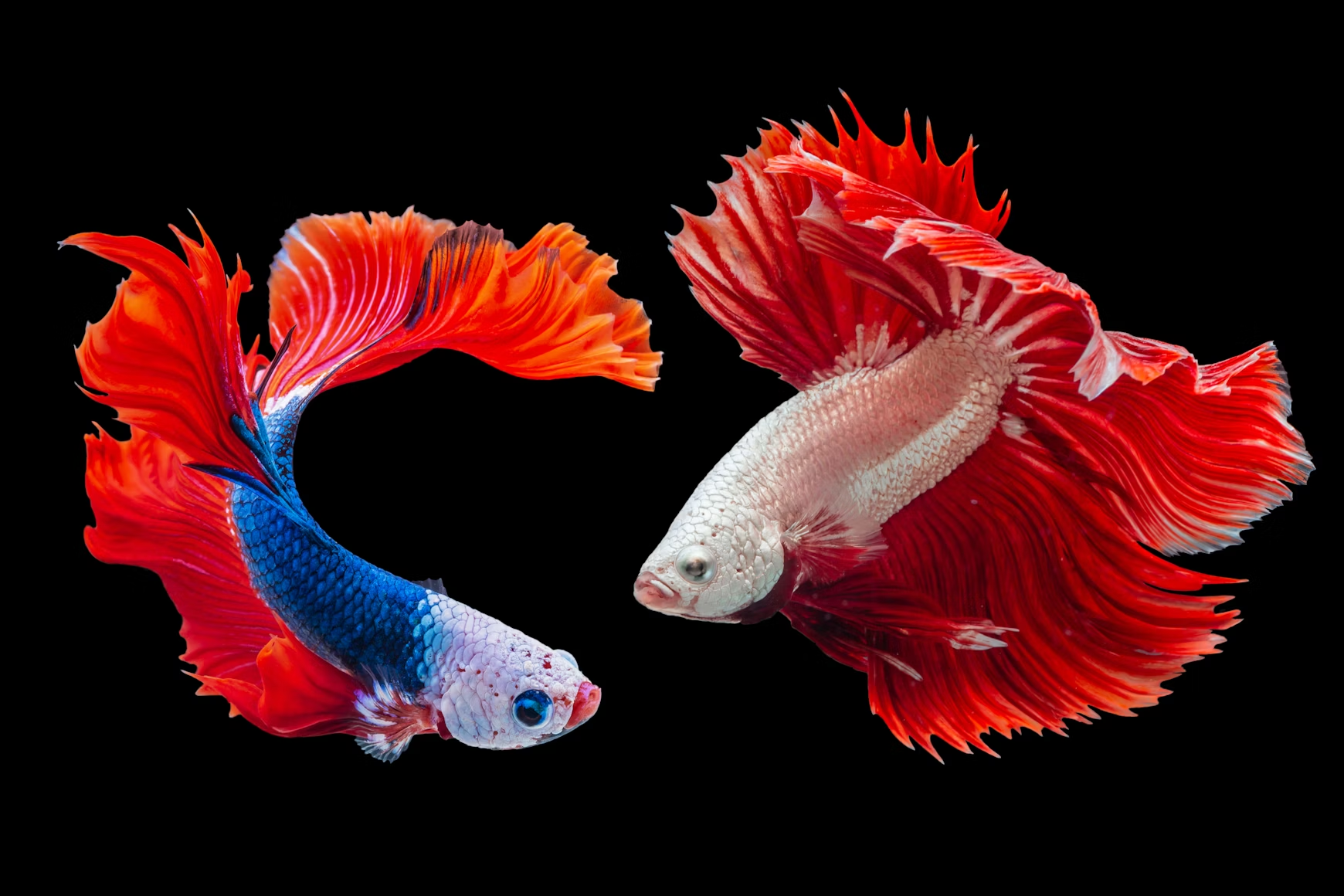
Freshwater fish Betta fish, commonly known as Siamese fighting fish, continue to be one of the most popular species of fish to be kept in home aquariums. Their eye catching looks, beautiful motions and unique temperaments make them a favorite among the first-time fish keepers and the experienced fish keepers. Understanding the differences between Betta fish male and female is an important part of providing proper care and managing their behavior in an aquarium setting. In addition to beauty, Bettas exhibit numerous behaviors that are indicative of their sex, their environment and their overall condition. The proper understanding of these variations helps to provide a better care, better living conditions, and more stable aquarium environment. Knowing the differences between male and female Bettas in appearance, temperament, and long-term maintenance is one way of making informed decisions that lead to providing proper housing, breeding, and long-term maintenance. When properly taken care of, these fish may flourish and exhibit the entire gamut of their natural features.
Physical Characteristics
Among the most apparent variations in male and female Betta fish is the physical appearance of the aquatic creatures. It is no secret that male Bettas have flowing long wings and are highly colored. Patterns of red, blue, purple, turquoise, white, and multicolored are typical, frequently seeming much more vivid under good light and when the water is in good condition. Their fins tend to be wide and dramatic giving them a graceful and attractive look in the tank. Comparatively, female Bettas appear to have shorter fins and are more streamlined. Their colouring may still be pretty, but these are usually less vivid than those of the male. Breeding in modern times has seen female Bettas with stunning colors as well, but their fin arrangement has generally remained a sure point of difference. Another clue can be body shape, as males tend to be a little bigger and more elongated and the fuller spread of their fin in males can make them look even bigger. A small white spot around the ventral region, commonly known as the egg spot can also be used to identify a female.
Behavior and Temperament
Betta fish are also known to have a great personality. Male Bettas are especially territorial, and are also known to be defensive. As a sign of defiance, they can flare their gill covers, spread their fins, and assume an upright and threatening pose. The aim of this show is to scare away perceived competition and defend their land. This territorial behavior is among the reasons as to why male Bettas are normally kept in isolation cages since two males tend to be very aggressive, stressed, and may get injured. Repeated flaring and increased alertness can be elicited even by the sight of another male in a nearby tank. The calmer temperament is normally exhibited by Female Bettas. They are still capable of being dominating, and showing minor aggression especially when they are establishing a social order, but their behavior is often not as intense as male behavior. In a sufficiently large aquarium containing sufficient hiding places, it is possible to have groups of females co-resident successfully, and their interactions can often bring out a social hierarchy, with dominant individuals occupying preferred spaces in the tank.
Breeding Behavior
One of the most interesting processes about the nature of Bettas is the breeding behavior. During reproduction, the male assumes a very active role by forming a bubble nest on the surface of the water with saliva-coated bubbles. The nest is used as a secure place where the eggs can be once they have spawned. When the male is introduced to a receptive female, the pair may both perform a courtship display in which the male flares and circles the female guiding her beneath the nest. Once the female has spawned, she releases the eggs and the male precisely collects them using his mouth and then deposits them into the bubble nest. At this point the male is very protective and will guard the nest until the eggs are hatched. To be on the safe side, the female is often removed once spawning, to minimize the chances of damage due to the protective aggression of the male.
Tank Environment and Housing
Appropriate environment contributes significantly to the health and behavior of Betta. Male Bettas are good in single tank as they do not need to be concerned with the tank mates occupying their space. It will provide a tank of at least five gallons, a mild filter, and a heater that will provide a stable environment. There is a special emphasis on having clean water as bettas like to be in an environment with a temperature between 24 C and 27 C. Female Bettas can be kept in groups, often referred to as sororities, but this arrangement must be well thought out. The tank should be big, properly planted and decorated with decorations which will present visual barriers and hiding places. Such a design will serve to both reduce the degree of tension, and to also offer each fish an opportunity to escape. In the housing of either male or female there should be no sharp decorations, particularly when it comes to long-finned males, whose fins are easily torn.
Feeding and Nutrition
Bettas (male and female) have almost the same food requirements. They are carnivorous fish which must be fed on a protein rich diet. Foods such as high-quality Betta pellets, frozen bloodworms, brine shrimp, and daphnia are popular foods. Portion control is still a major aspect of their care as Bettas have tiny stomachs and over feeding may soon cause them to bloat, develop digestive problems, and poor water quality. The size of the meals should be small; once or twice a day should be adequate. Loss of interest in food can be useful information to indicate stress and illness, and environmental problems in the poor water conditions.
Health and Lifespan
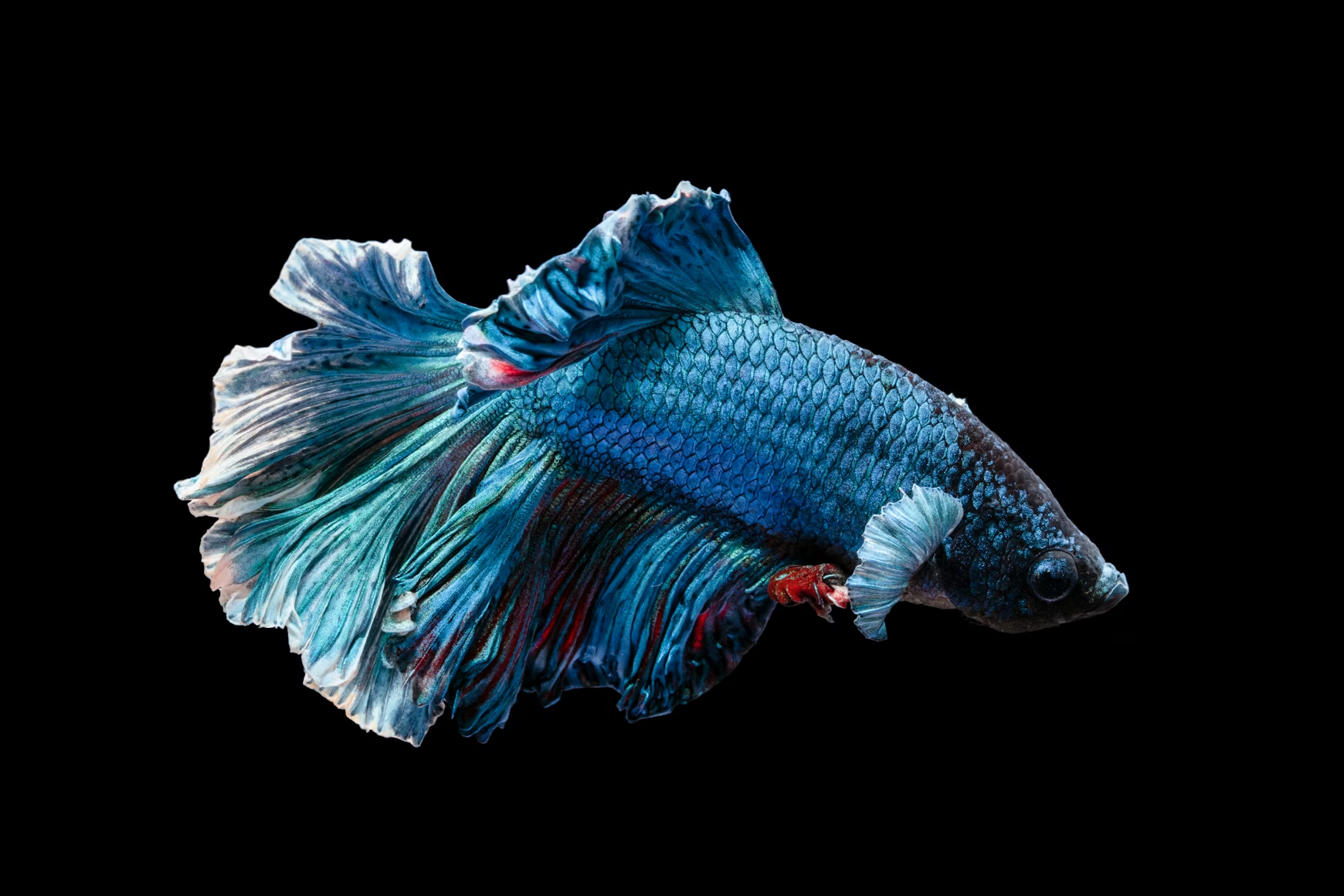
Betta fish are known to live a period of three to five years with some living even longer in well-maintained aquariums. Their health is directly associated with the quality of water, their diet and the level of stress. Frequent problems are fin rot, fungus, ich, and swim bladder problems. Male long-finned fish might have a higher susceptibility to fin damage, and therefore, water cleanliness is particularly essential. Frequent water changes and constant attention to behavior allow detecting the early signs of illness. Poor health may be indicated by clamped fins, dark color, listlessness or inability to swim. Early intervention in such signs can usually enhance the outcome of the recovery.
Conclusion
The interplay of beauty, intelligence and personality is astounding as far as the betta fish is concerned. Having the knowledge of the differences between the male and the female, both physically and socially will help fish keepers be more appropriate in their care. The keys to a healthy environment are considerate housing, a healthy diet, clean water and close supervision. This knowledge can enable the Betta fish to live with full life and health and benefit their owners with their beautiful looks and attractive behavior.