







A Comprehensive Guide to Aging in Place: How to Make Your Home Safe and Comfortable
Aging in place is more than a trend; it is the heartfelt aspiration of many older adults who want to remain in the comfort of their own homes while maintaining dignity, independence, and community ties.…
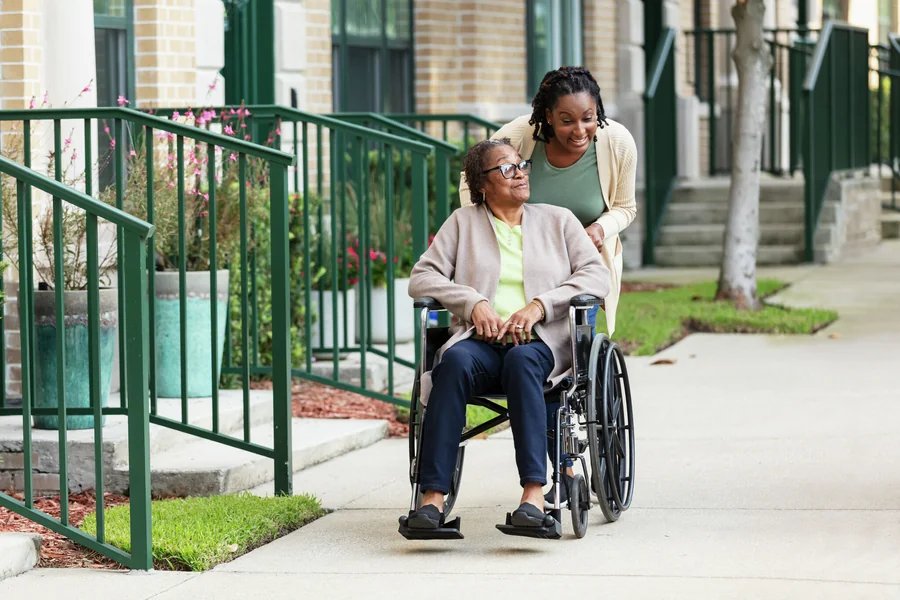
Aging in place is more than a trend; it is the heartfelt aspiration of many older adults who want to remain in the comfort of their own homes while maintaining dignity, independence, and community ties. To make this possible, it is crucial to plan and address practical concerns such as safety and accessibility. For many families, investing in a personal medical alarm is an essential step to ensure a rapid response in an emergency.
Assessing risks, enhancing safety, and leveraging innovative technologies all work together to support a living environment that fosters autonomy. Before diving into specific modifications, it is important to understand the broader concept of aging in place and how smart choices today can prevent challenges tomorrow.
Whether you are an older adult or a family member planning for a loved one, thorough preparation can ensure a home remains a sanctuary as needs evolve. By building a strong network of support and anticipating future expenses, it becomes much easier to meet changes with confidence and peace of mind.
Resources and expert guidance are available to help families embark on the journey of aging in place, creating safer, more supportive, and resilient home environments that adapt as needs change. You can also take guidance from organizations like the AARP that offer tips and checklists to guide you through the process.
Understanding Aging in Place
Aging in place means living safely, independently, and comfortably in your own home and community, no matter your age or abilities. The goal is to maintain personal autonomy while enjoying familiar spaces and community ties for as long as possible. This approach not only enhances quality of life but also reduces the risks associated with institutional care and frequent moves.
Assessing Home Safety
One of the first tasks in planning for aging in place is conducting a thorough safety assessment of the current living situation. Many accidents among older adults occur at home, so identifying potential risks is a critical starting point. Frequent hazards include:
- Loose rugs, electrical cords, or clutter that create tripping dangers
- Dim lighting that obscures hazards and increases fall risk
- Bathrooms without grab bars or non-slip mats
- Stairs lacking secure handrails
Professional home safety assessments can provide valuable insights and generate a plan tailored to unique needs. For more detailed checklists, the AARP offers resources to get started.
Essential Home Modifications
After hazards are identified, some basic home modifications can make a substantial difference. Common improvements include:
- Installing sturdy grab bars near toilets, showers, or bathtubs
- Replacing slippery flooring with non-slip surfaces
- Enhancing lighting, especially along hallways and entryways
- Adding stair lifts, ramps, or no-step entries to ensure accessibility
Even small changes like lever-style doorknobs and smarter furniture arrangements can help create a safe and comfortable home environment.
Leveraging Technology for Safety
Technology is transforming the aging-in-place experience. Devices such as medical alert systems provide peace of mind by connecting users to emergency support at the touch of a button. Smart home features like motion-activated lighting, voice-activated assistants, and door sensors enable greater control and security without sacrificing independence.
Automated medication dispensers and health-monitoring wearables are other examples of technologies that support safe, independent living. When paired with a reliable support network, these solutions empower older adults to face each day confidently.
Building a Support Network
Social and emotional support is just as important as physical safety. Maintaining regular contact with family, friends, and neighbors provides a vital safety net. Participating in community activities or senior programs can reduce feelings of isolation. In some situations, professional caregivers or home health aides may be needed to help with daily activities or medical needs.
Support networks provide both practical assistance and emotional encouragement, contributing significantly to the well-being and independence of individuals aging in place.
Financial Considerations
Making a home suitable for aging in place can involve both immediate investments and ongoing costs, such as home modifications, regular upkeep, medical devices, or in-home care. Creating a realistic budget in advance helps families manage expenses and avoid surprises. Investigate available resources, such as government grants, non-profit aid, and insurance options, to offset costs.
Financial advisors with experience in elder care planning can help craft solutions tailored to specific needs and resources.
Planning for Future Health Needs
Health needs often change over time. Proactive planning ensures a home can adapt as mobility, vision, or hearing challenges develop. This includes regular health assessments, revisiting the suitability of home modifications, and maintaining easy access to healthcare services and emergency resources. Being proactive rather than reactive can make transitions much smoother and less stressful for everyone involved.
Conclusion
With thoughtful planning and proactive modifications, aging in place is an achievable and rewarding goal. By prioritizing safety, adapting living spaces, embracing technology, and fostering robust support networks, individuals can create homes that are both secure and nurturing for years to come. The rewards, independence, comfort, and peace of mind—make the effort well worth it for both older adults and their loved ones.