







How to Draw a Cartoon Dragon – Full Guide to Follow
Drawing a cartoon dragon can be a fun and creative challenge. These mythical creatures are often portrayed in cartoons with exaggerated features and colorful designs. A cartoon dragon offers you a lot of freedom in…
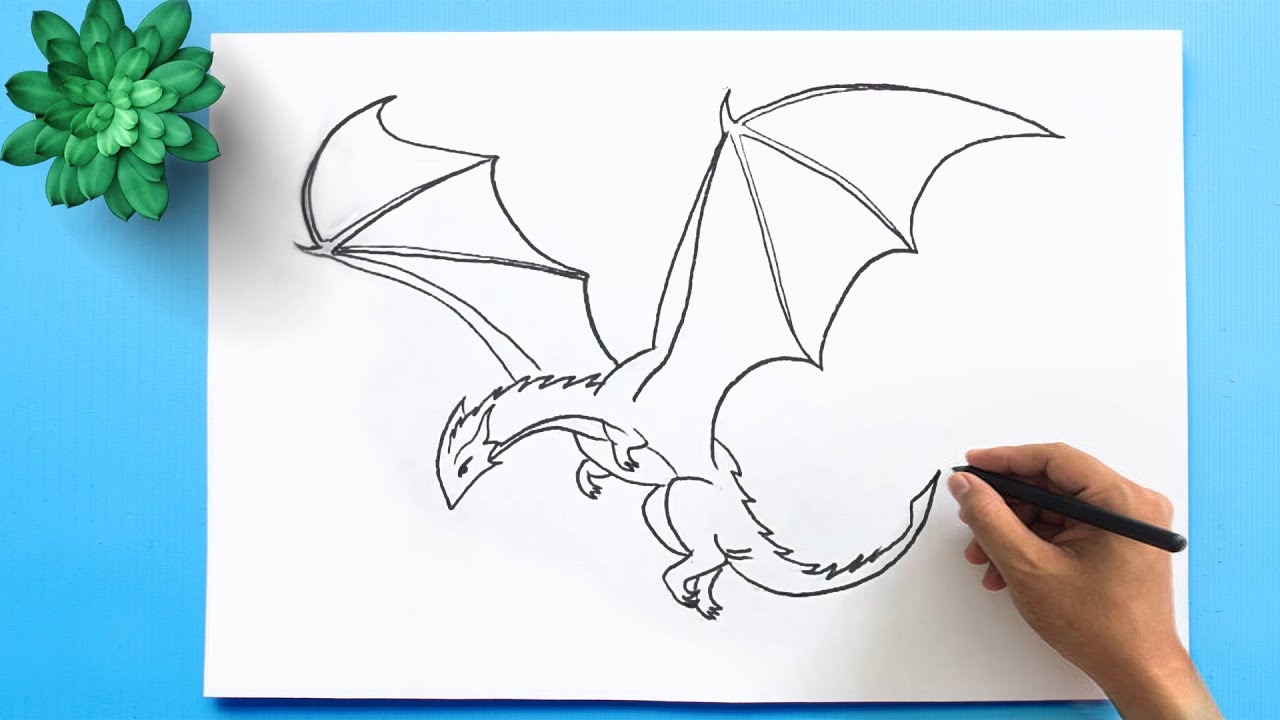
Drawing a cartoon dragon can be a fun and creative challenge. These mythical creatures are often portrayed in cartoons with exaggerated features and colorful designs. A cartoon dragon offers you a lot of freedom in its look and personality, allowing you to explore different styles from a fierce fire-breather to a cute and friendly companion. In this guide, we’ll walk you through the process of How to Draw a Cartoon Dragon, breaking it down step by step so you can create your own unique design.
Step 1: Basic Shapes & Guidelines (Construction)
Start by sketching the basic structure of your cartoon dragon using simple shapes. These shapes will serve as the framework for the character’s proportions and positioning.
Head and Neck
Begin by drawing a circle for the head. This will be the base where you’ll add the dragon’s features later. To ensure everything lines up, draw a vertical line down the center of the circle. This line will help you align the dragon’s facial features and keep things symmetrical. Next, draw a horizontal line across the middle of the circle to represent the eye level.
For the neck, draw two curves extending from the bottom of the head circle. These curves should connect smoothly, gradually thickening as they go down toward the body. The neck will add character to your dragon, so feel free to adjust its shape based on the style you want.
Body and Tail
For the body, you can use an S-curve or a bean-shaped form to represent the torso. The body should be wider at the front near the neck and taper toward the tail. The tail should be long and curved to give your dragon a dynamic, graceful look. You can make it as long or short as you like, depending on whether you want the dragon to look more serpentine or stocky.
Limbs and Wings
Draw the limbs by first sketching circles for the joints, which will guide the shape of the legs and arms. Use simple lines to connect these joints, curving them to form the arms and legs. For the wings, sketch bat-like shapes using curves for the wing membranes. Think of the bones in a bat’s wing as the “fingers” that support the wings, so draw these lines to show the skeletal structure.
Step 2: Facial Details & Features
Now, it’s time to start refining the dragon’s face and adding defining features. This is where your dragon’s personality really begins to show.
Eyes
For the eyes, draw large expressive circles or upside-down U shapes. Place them just below the brow line to create that wide-eyed, cartoonish look. You can add pupils inside the eyes, making them look more lively by adding small white highlights, giving the eyes a sense of depth. This will make the dragon appear more animated and dynamic.
Snout and Mouth
Next, draw the snout. Start with a smooth curve coming down from the head. This will define the dragon’s nose and give it that distinct animal-like shape. For the mouth, sketch a gentle curve or a sharp, jagged line for a more menacing look. The sharp lines will give your dragon a fierce, dangerous appearance, while a soft curve can create a friendlier look. Don’t forget to add nostrils at the end of the snout to complete this feature.
Horns and Spikes
Add some fun elements like horns and spikes to the dragon’s head and back. Draw curved horns that emerge from the top of the dragon’s head. These can be as large or small as you like, with varying angles for added visual interest. You can also add spikes along the jawline, down the back, or even on the tail. Spikes make the dragon look fiercer, and the variety of sizes will give it more texture.
Step 3: Body Details & Texture
With the basic features in place, it’s time to add some texture and details to your dragon’s body. This is where you can give your cartoon dragon its unique look, whether it’s through scales, fur, or wings.
Scales and Armor
Use overlapping curved lines or small V shapes to draw the scales along the dragon’s body. Scales can be especially prominent along the neck, back, and legs. Add rows of these scales in a way that they seem to layer over each other, much like armor, to give your dragon a tough exterior. For a softer, cuter look, you can reduce the number of scales and make them smaller.
Fur and Mane
If you want your dragon to have a more whimsical or mythical look, add some fur along the neck or under the chin. Draw pointed, wispy lines that look like a fluffy mane. This will give your dragon a magical, fairy-tale feel, especially if you’re going for a softer, more playful look.
Wings
Refine the wings by defining the membrane with smooth, curved lines. You can also add intricate details like veins in the wings or a small tail at the end of each wing. For a more fantastical design, consider adding icicles or fire motifs if your dragon is a flame-breather or an ice dragon.
Claws and Tail
Next, refine the dragon’s claws. For the front and hind legs, add rounded claws at the tips of the feet. You can use simple ovals for claws or make them more pronounced with sharp points. The tail should be tapered toward the end, and you can add a fin or spike at the end for added character.
Step 4: Refine and Shade
Now that you have the basic structure and details of your cartoon dragon, it’s time to clean up your lines and add shading to give the dragon depth and dimension.
Clean Up the Drawing
Erase any unnecessary guidelines and refine your outline. Use thicker lines around the edges of the dragon to make it stand out. This helps separate the dragon from the background and makes it pop on the page. Don’t be afraid to adjust lines if needed to perfect the shape of the head, body, and limbs.
Add Shading
Shading adds depth and texture to your dragon. Use the side of your pencil to gently add shadows underneath the jawline, wings, and along the curves of the body. This will create a sense of light and dimension, making your dragon appear more three-dimensional. Focus on shading areas that would naturally be darker, such as the areas under the arms, behind the ears, or under the wings.
Color
The final step is to add color to your dragon. Use vibrant colors to give your dragon personality and make it stand out. Whether you go for traditional greens, fiery reds, or even mystical purples, coloring your dragon will bring it to life. You can also add highlights with a white pencil or eraser to create a shiny, glossy effect on the eyes, nose, or scales.
Final Thoughts
Drawing a cartoon dragon is an enjoyable and creative process that lets you explore your artistic side. With basic shapes, a little imagination, and some attention to detail, you can create a dynamic and fun character that will stand out. Whether you want a cute dragon with fluffy fur or a fierce, fire-breathing creature, the possibilities are endless. The key is to make the dragon uniquely yours, capturing its personality through its design and features.
FAQ
How to Draw a Cartoon Dragon?
Begin by sketching basic shapes like circles for the head and body. Use lines for the neck and tail to create the dragon’s framework.
What should I focus on for the dragon’s facial features?
Focus on making the eyes large and expressive. Add a curved snout and sharp or soft lines for the mouth to express personality.
Can I make the dragon look cute?
Yes, you can soften the features, add a fluffy mane, and reduce the number of scales to give your dragon a cute look.
What type of wings should I draw?
You can draw bat-like wings with curved lines for the membranes and add small bones or spikes for extra detail.
How do I add texture to the dragon?
Use curved lines to draw scales and fur. For wings, make the membrane smooth but detailed with veins for a realistic touch.
What tools do I need to draw a cartoon dragon?
All you need is a pencil for sketching, an eraser, and some colored pencils or markers to add color and shading.
What color should my cartoon dragon be?
The color is up to you! Traditional dragons are green or red, but you can experiment with any color you like to give the dragon a unique look.