





Guest House Builders in New Jersey: How Brother-Led Craftsmanship Turns Backyard Space Into High-Performance Living
Brother-led craftsmanship by BLACKBIRDZ LLC transforms backyard spaces in New Jersey into high-performance guest houses, ensuring quality and compliance…
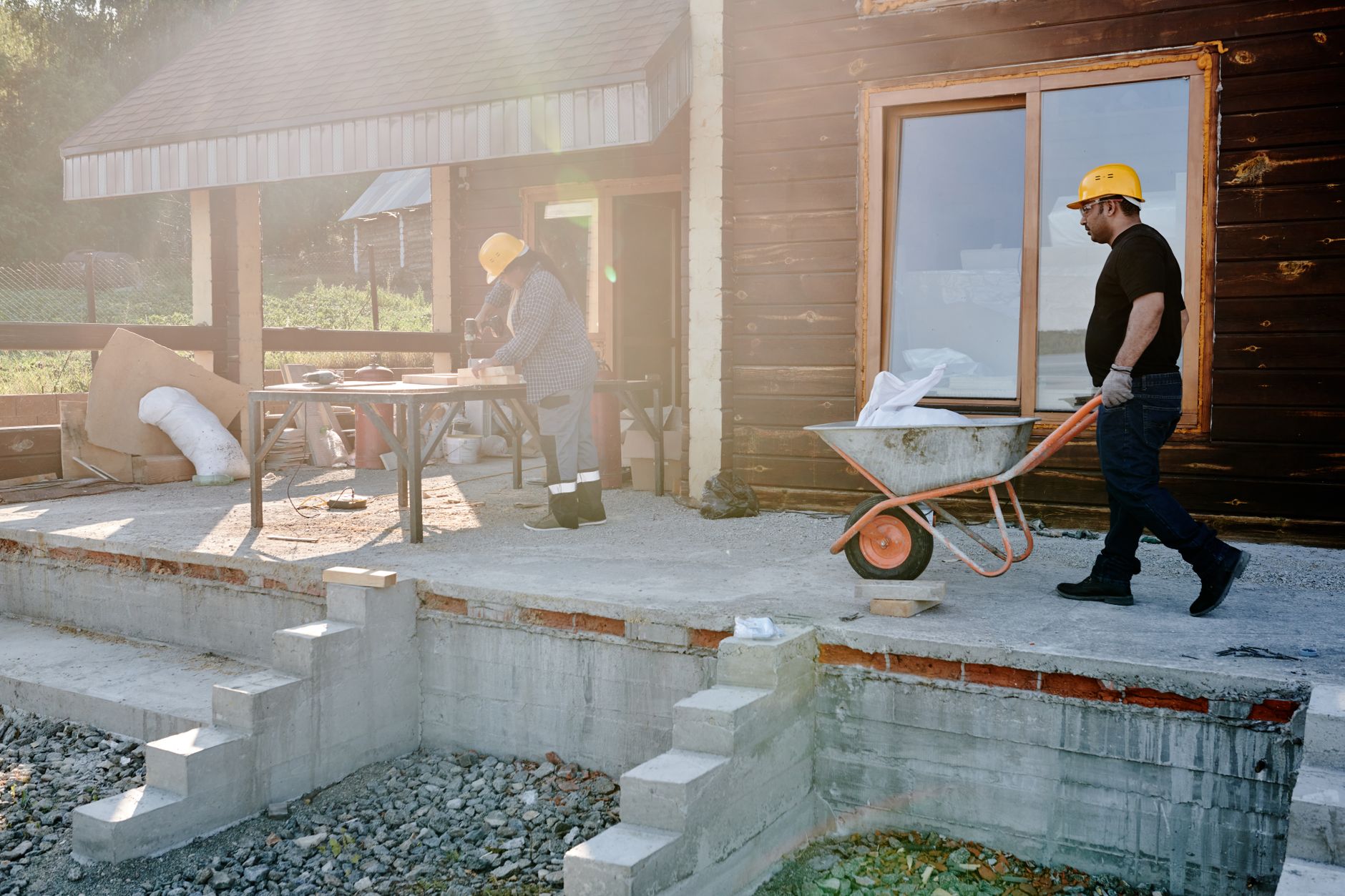
Whether you are welcoming aging parents for multigenerational living, hosting extended family, or creating a private backyard retreat, building a custom guest house or accessory dwelling unit (ADU) is one of the smartest ways to add versatile square footage and long-term property value in New Jersey. Turning a backyard concept into a fully permitted, code-compliant residence comes down to three fundamentals: who builds it, how carefully it navigates local municipal zoning, and how comfortably it performs through New Jersey’s four seasons. Drawing on over 14 years of hands-on residential construction experience by Guest House Builders New Jersey at BLACKBIRDZ LLC—founded in 2012 by brothers Kouros and Kia Imanian—this guide covers everything NJ homeowners need to know about ADU rules, garage conversions, realistic budgets, permits, and Passive House building standards.
1. Brother-Led Accountability: Why Owner-Led Design-Build Matters
Constructing a standalone or attached guest house requires coordinating excavation, concrete foundations, utility trenching (water, sewer, electrical, and gas), framing, insulation, and municipal inspections.
Working with a brother-led, family-owned New Jersey builder keeps accountability direct from day one:
- Hands-On Owner Involvement: At BLACKBIRDZ LLC, owners Kia and Kouros Imanian personally evaluate your property layout, measure lot setbacks, review utility tie-in paths, and stay actively on-site throughout construction rather than checking in only at the end.
- Verified New Jersey Licensing: Because constructing a new dwelling structure goes beyond basic cosmetic remodeling, verify that your contractor holds both an active New Jersey Home Improvement Contractor registration (such as NJ HIC #13VH07022400) and a New Home Builder registration (NHB #056265), along with comprehensive liability and workers’ compensation insurance.
- Seamless Architectural Integration: Exterior siding, roofing pitches, trim details, and window proportions are tailored to mirror your primary residence so your guest house looks like a natural architectural companion rather than a generic backyard shed.
2. What Counts as a Guest House or ADU in New Jersey?
In New Jersey, there is currently no single statewide ADU law—instead, each municipality sets its own zoning ordinances governing guest houses and accessory dwelling units. To qualify as a functional, legal living space in most towns, an ADU must include:
- Independent Living Amenities: A private entrance, full bathroom, dedicated sleeping area, heating/cooling system, and a compact kitchenette or full kitchen with required appliances.
- Approved Structural Formats: Depending on local town ordinances, homeowners can build a detached backyard guest house, an attached in-law wing sharing a common wall with the main house, a garage-to-guest-house conversion, or an above-garage carriage suite.
- Garage Conversions for Maximum ROI: Converting an underutilized detached garage—or adding a second story above an existing garage—is one of the most cost-effective ways to unlock livable square footage without expanding your lot’s building footprint.
3. Zoning Rules, Setbacks, Lot Coverage, and Coastal Permits
Before drawing final blueprints, experienced local builders audit your town’s specific land-use regulations to prevent costly redesigns:
- Size Caps and Property Line Setbacks: Depending on your residential zoning district, detached guest houses are typically capped between 800 and 1,200 square feet, with mandatory fire-code setbacks of 5 to 10 feet from side and rear property lines.
- Impervious Lot Coverage Limits: New Jersey municipalities strictly cap total roofline, driveway, patio, and walkway coverage per lot. If a new guest house pushes your lot close to its impervious limit, builders can replace traditional concrete walkways with permeable pavers to keep stormwater drainage compliant.
- Flood Zones and CAFRA Regulations: For properties near rivers, wetlands, or the Jersey Shore (affecting roughly 17% of New Jersey’s land area), construction may require Department of Environmental Protection flood-hazard permits, riparian zone compliance, Coastal Area Facility Review Act (CAFRA) approvals, and 4+ feet of structural elevation.
4. High-Performance Building Science: Passive House & ENERGY STAR Comfort
A detached backyard structure is exposed to wind and temperature swings on all four walls and the roof. Builders holding Certified Passive House Tradesperson and ENERGY STAR Certified Home Builder credentials apply advanced building science so your guest suite stays quiet, draft-free, and inexpensive to heat and cool:
- Superinsulation and Thermal Bridge-Free Framing: Continuous exterior insulation eliminates cold spots along rim joists and wall corners.
- Airtight Envelopes and Triple-Pane Windows: High-performance glazing and air sealing block neighborhood noise while dramatically lowering monthly utility bills.
- Heat Recovery Ventilation (ERV/HRV): Continuous balanced ventilation supplies fresh, filtered outdoor air inside a compact living space without wasting heated or cooled indoor air.
Frequently Asked Questions About Guest House Builders in New Jersey
How much does it cost to build a guest house in New Jersey?
Building a guest house or ADU in New Jersey typically ranges from $60,000 to $250,000+, with full ground-up custom detached units generally costing between $160,000 and $300,000 depending on square footage, utility trenching distance, foundation requirements, and interior finishes.
Are accessory dwelling units (ADUs) legal in New Jersey?
Yes, though New Jersey leaves ADU zoning rules up to individual municipalities rather than enforcing a single statewide mandate. Most towns allow attached or detached guest houses between 800 and 1,200 square feet provided they meet lot-coverage caps, setback rules, and independent utility and Certificate of Occupancy standards.
What licenses should a guest house builder have in New Jersey?
Any contractor constructing a guest house or structural addition in New Jersey must hold an active Home Improvement Contractor (HIC) registration as well as a New Home Builder (NHB) registration with the state, backed by full general liability and workers’ compensation insurance.
About BLACKBIRDZ LLC
BLACKBIRDZ LLC is a family-owned and operated design-build remodeling and custom home building firm serving Northern and Central New Jersey since 2012. Founded by brothers Kouros and Kia Imanian (NJ HIC #13VH07022400 | NHB #056265 | Certified Passive House Tradesperson | ENERGY STAR Certified Home Builder | A+ BBB Accredited | 8× Best of Houzz Service Award Winner), the team specializes in owner-led guest houses, custom home additions, kitchen and bathroom renovations, and high-performance residential construction. To explore completed projects or schedule an owner-led consultation, visit BLACKBIRDZ LLC.