


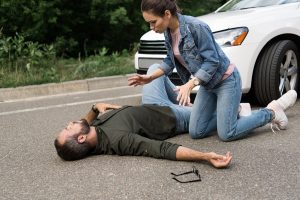




When a Drunk Driving Accident Leads to Multiple Injury Claims
A drunk driving collision can leave several people dealing with injuries from the same event. Passengers, other motorists, and people outside the vehicles may all need medical care, yet their recoveries, lost income, and insurance…

A drunk driving collision can leave several people dealing with injuries from the same event. Passengers, other motorists, and people outside the vehicles may all need medical care, yet their recoveries, lost income, and insurance questions can differ sharply. The fact that one crash connects their injuries does not make their claims interchangeable.
Families navigating overlapping claims may seek supportive legal support for victims of drunk drivers in Charleston to understand how individual losses interact with shared insurance limits. Evaluating these claims means examining the impaired driver’s conduct while keeping each injured person’s circumstances separate.
One Collision Can Produce Separate Legal Claims
Each injured individual has personal interest in determining the cause of crash and the losses they had in the crash. The driver of the vehicle has the possibility of injuring the passengers in different ways. Other people in the car could have their unique treatment history and work implications.
Individual claims do not have to depend on the same outcome as such claims can be based on the same evidence, albeit in a mixed form. A police report can assist in determining the sequence of collision, but does not estimate the damages of each individual. There must be medical records, work documentation and other evidence that links the injuries being purported to the accident.
The Insurance Limit Is Not Multiplied by the Number of Victims
The minimum motor vehicle liability requirements in West Virginia consist of: $25,000 bodily injury or death of any individual or 50,000 bodily injury or death of two or more people resulting in a single accident, under §17D-4-2. These are minimum coverage requirements, not a statement of the policy involved in a particular wreck.
The per-accident rate is particularly high when multiple individuals are covered by the same policy, demanding compensation. It is not a re-injury to every injured individual. The amount and timing of planned settlements may be material when an insurer is caught in claims involving multiple claims where aggregation of losses exceeds limits. This can be with increased coverage; the declarations and terms of the policy should be reviewed.
The Criminal Investigation Does Not Settle Every Civil Question
In West Virginia Code, there is a section that deals with the issue of operating under the influence of impairment and criminal sanctions, including those that relate to injury and fatalities (section 17C-5-2). Criminal prosecutors and police inquire potential violations; victims seek civil objects as compensation to their personal losses.
The purposes of the two proceedings are different. Arrest is not a civil damages award in itself, and tort time to wait until the criminal case is concluded does not insure a personal injury filing deadline. Toxicology evidence, witness reports and results of the crash may be pertinent to the civil investigation, but liability and compensable damages must be proven.
Serious Injuries Create Different Financial Timelines
An individual who is released under emergency care might record other costs as opposed to those whose expenses require surgery or lengthy rehabilitation. These claims should take into account the amount of money suffered, future medical-supported care, lost earnings and other consequences that can be recovered legally. There is no common recovery period because of an ordinary collision date.
Do not judge all claimants on the basis of the first medical bill that come along. Employment history, treatment regimens, and functional impairments give a more accurate view of the situation of each individual. The same records justify how different two persons who have experienced the same impact can value settlement offers differently.
Other Insurance Coverage Deserves Individual Review
Uninsured and underinsured motorist coverage under West Virginia §33-6-31. Underinsured coverage may also apply even though the liability limits are inadequate, and in any case where the statute expressly deals with limits diminished by payments made to other people who have been hurt in the accident.
The insured status of the injured person and the policies determine the coverage. It is not possible to expect that passengers and drivers will have the same protection since they sat in the same car. Check the proper declarations, endorsements, insurers notice, and any condition of the contract and consider them prior to considering the coverage of the at-fault driver as the sole source of recovery.
Fault Questions Can Extend Beyond Impairment
Serious evidence of impairment is needed, yet conduct to the collision must still be connected. Road surveys that capture the traffic, recordings of the traffic, and eyewitness testimonies can be used to determine the manner in which the impact was caused.
The comparative fault law in West Virginia, the subordinate statute 55-7-13c contains regulations that assign the responsibility to individuals whose actions resulted in damages. It is not possible to presume that a fault is the same to all claimants just because they were all hurt in that incident. The behavior of other motorists can also be subject to review provided the evidence averts the same.
Punitive Damages Require Their Own Proof
West Virginia only allows punitive damages as defined in section 55-7-29. The law takes the form of clear and convincing evidence that actual malice or grievous indifference of a conscious, reckless, and outrageous character has been met.
Those damages do not include treatment, income, or other losses incurred due to the injury. An intoxication claim and the number of injured individuals does not assure a penalty. The behavior, fact, the norms of the law, and the required limits should be considered independently.
Separate Settlements Need Careful Review
An issue to be resolved when there is a proposed release can leave a person without facing up what happens to other injured people. Every claimant should be familiar with whom and whose claims the agreement releases and whether or not the obligation to make reimbursements has any effect on the ultimate amount received.
Early settlement can have a repercussion when coverage is low and may adversely affect the amount of money left to settle other claims. That does not imply that all claimants should have the same schedule or value. It implies that the terms of settlement, limits of the policies, and the evaluation of the losses recorded by an individual are worth considering prior to signing.
Preserve the Filing Window While Claims Develop
Under West Virginia Code §55-2-12, most personal injury actions must be filed within two years after the claim accrues, unless a different rule applies. Insurance negotiations and criminal proceedings do not automatically suspend that deadline.
Retain records of missed work, crash reports, medical documentation and insurance communications to claimant. Shared crash evidence may be involved in a coordinated investigation, while keeping individual records of each individual damages and deadlines.
One Crash Does Not Mean One Outcome
Various claims involving injury following an event of drunk driving should be addressed with respect to common facts and the personal implications. The identical accident can constitute a single liability policy, multiple medical recoveries, various insurance covers, and individual settlement options.
A sound assessment is the difference between the evidence of impaired driving and the evidence of each trauma and then is followed by an assessment of coverage on the basis that the amount of money available is proportional to the damage taken. The transparency assists injured individuals to make sound choices in a complex claims procedure.