




How You Add Someone to a Short Drama When They Were Never in the Still
People ask how to put a person into a photograph without opening a layered editor. The usual reply is two uploads and a minute: a clear portrait, the scene they missed, and a blend that…
People ask how to put a person into a photograph without opening a layered editor. The usual reply is two uploads and a minute: a clear portrait, the scene they missed, and a blend that guesses the light. That reply is about one picture. A short drama asks a different question. The person has to walk into the next episode and still be the same person. You add them to the cast, not to a pixel.
A browser composite can drop a figure into a group shot, a landscape, or a table. It can also invent a body when you only supplied a head, and it can make a day look attended by someone who was not there. A series cannot run on that guess. If the audience is meant to meet someone new, the meeting has to be written.
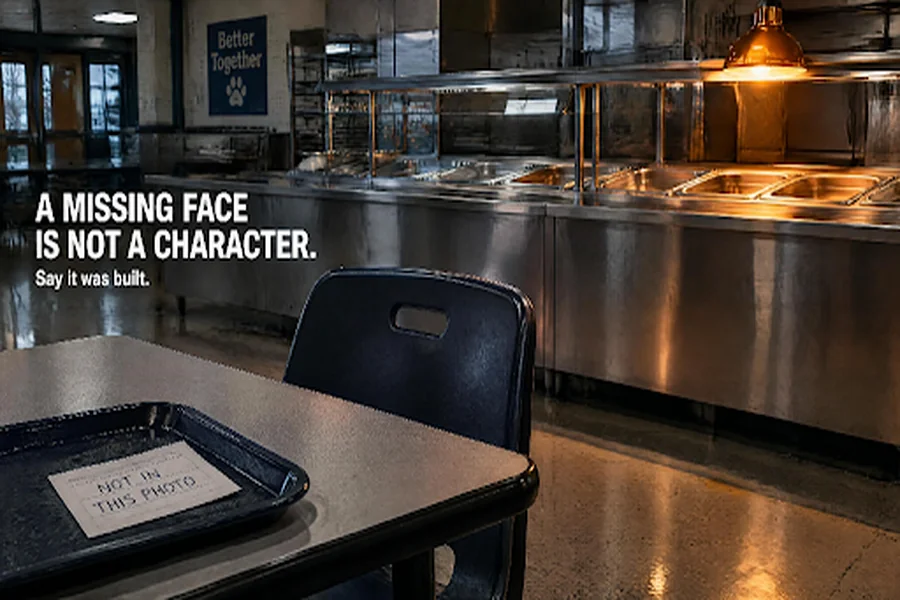
A missing face in a photo is not a new character
Matching the frame and the light is the whole craft of a paste. A headshot forced into a full-length room makes the tool draw the rest. A flash portrait dropped into open shade shows the seam. Those are real problems for a single composite. They are the wrong problems for episode two.
Uses that sound kind still need a label. A relative who missed a dinner, a friend who missed a trip, a teammate who was not in the office that day: if the file is offered as the photograph of that day, say it was built. A picture made after a death is a family decision, and it is not a production still. Keep the originals. Do not hand the blend to anyone as the record of who stood in the room.
A story can include an arrival. Fiction is allowed to bring someone in late. The album of the real afternoon is not.
Add them where the episodes can see the note
Drama Studio is the workbench for a short or micro drama, not a photo editor and not a model that cuts a person out of one JPEG and seats them in another. You start from a line, an outline, a script, a chapter, or a serial idea. An agent can help plan. The project holds the outline, the episodes, the characters, the locations, the props, and the beats, instead of a chat that forgets who entered. Boards show the order. Approve that order before you generate. Voice and captions can sit in the same project. For a phone story, write 9:16 on the brief.
Adding someone here means a name on that list. How they stand in the place you already named. What they wear. Which beat they arrive on. A reference picture helps only when you have the right to use that person, and it guides later frames. It does not prove they attended a shoot that never happened. Generated faces are not hires. If the new lead has no line in the sheet, the next episode will invent a different jaw and call it continuity.
Placement is a beat, not a caption that says “standing on the right.” If they sit at the table, the scene before has to know the table. If they are absent until episode three, episode three is where they enter. Do not quietly paint them into the opening still and hope the replay looks like memory.
What the one-minute blend skips
Speed is the pitch: no masking, no design software, a file you can save before the coffee cools. A cast note takes longer than that, and it should. You are deciding who is allowed to be depicted, and whether the scene is a story or a claim about a real hour. A paid editor with layers still wins when the deliverable is a cover that must survive print. A composite account still wins when the only job is one framed picture and everyone who will see it knows it was assembled. Neither of those jobs is a returning character.
The mistakes that wreck a paste — the wrong crop, the wrong sun, a hidden face — wreck a series in another costume. The character is described once and then ignored. The room changes brightness between episodes. The person is only a sentence in the prompt, so the wardrobe drifts. Write the note, then generate the beat you already approved. Watch the arrival beside the episode before it. If they could not have walked in from the previous scene, the sheet is wrong.
Add a person to a photograph only when that photograph is allowed to be a composite, and say so. Add a person to a short drama by putting them in the project first. Drama Studio is where that name, that place, and that beat stay put. The still comes after the cast, not the other way around.